
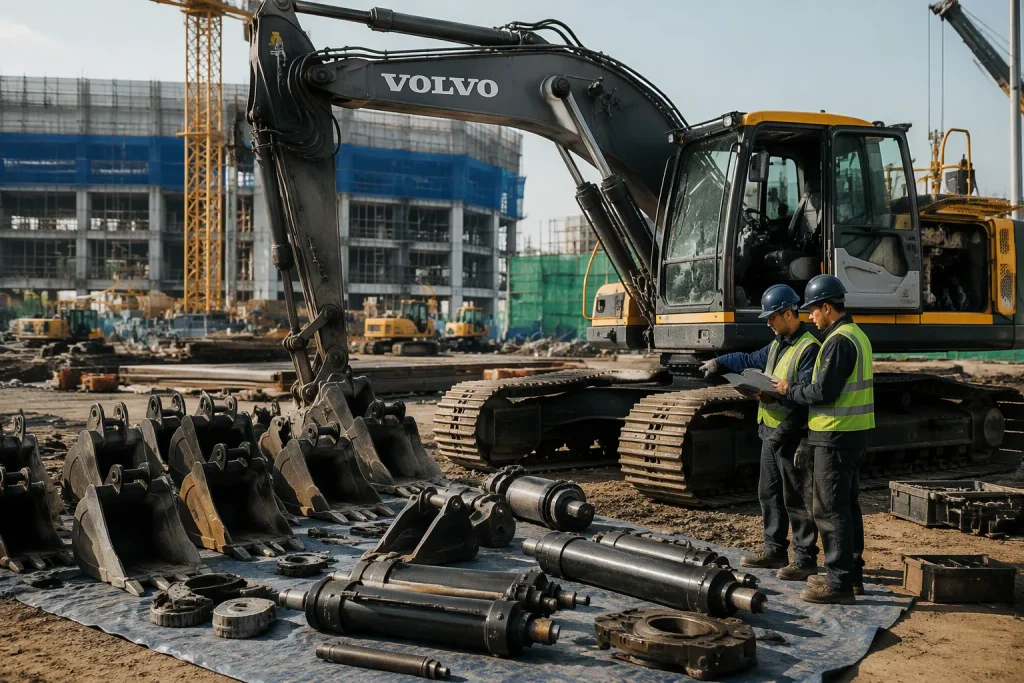
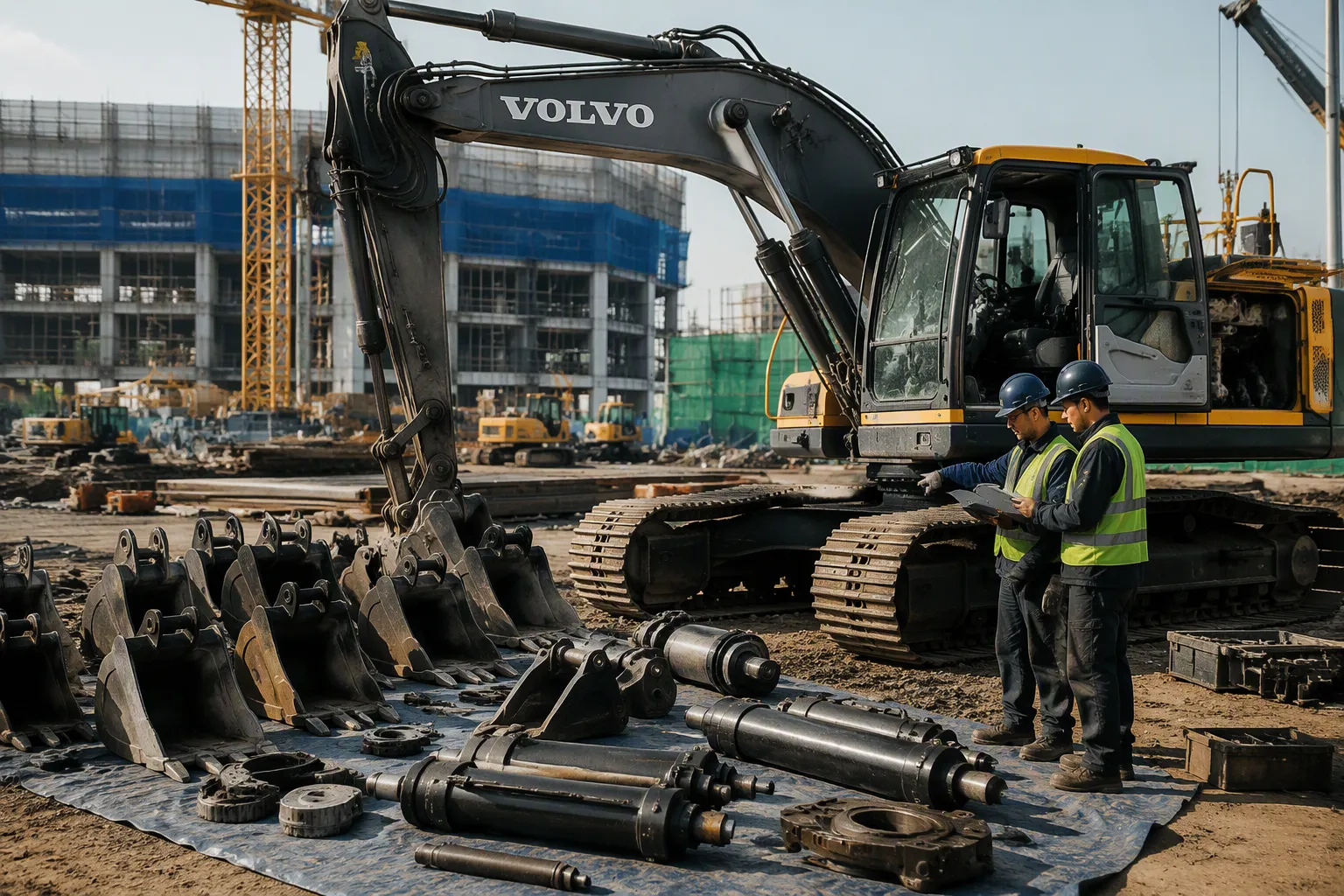
For Volvo excavator parts sourced in Korea, begin with your full machine identification and an applicable parts catalog. U.S. buyers should distinguish the seller’s location, shipment origin and final delivery destination. A Korean address or country-of-origin claim does not establish authenticity, fitment or available stock.
Compare an authorized construction equipment dealer, a generic parts supplier or an online retailer using the same documented part requirements. Confirm stock, condition and written terms for the actual item rather than assuming one channel is always cheaper or faster.
This guide helps you check if parts are real, make sure they fit your Volvo excavators, compare total costs, and understand warranty and shipping terms. You will learn how to protect your Volvo machines and avoid costly downtime. With the right approach, you can find Volvo equipment parts with confidence and keep your equipment running reliably.
Key Takeaways
Verify seller identity, item description and traceable documentation before buying.
Always check that the part fits your excavator by looking at the model and serial number.
Compare the full cost, including shipping and fees, not just the price of the part.
Ask for the warranty and return rules in writing before you buy.
Ask for tech help and shipping info to avoid delays and surprises.
Where to Buy Volvo Excavator Parts Korea
Authorized Dealers and Online Platforms
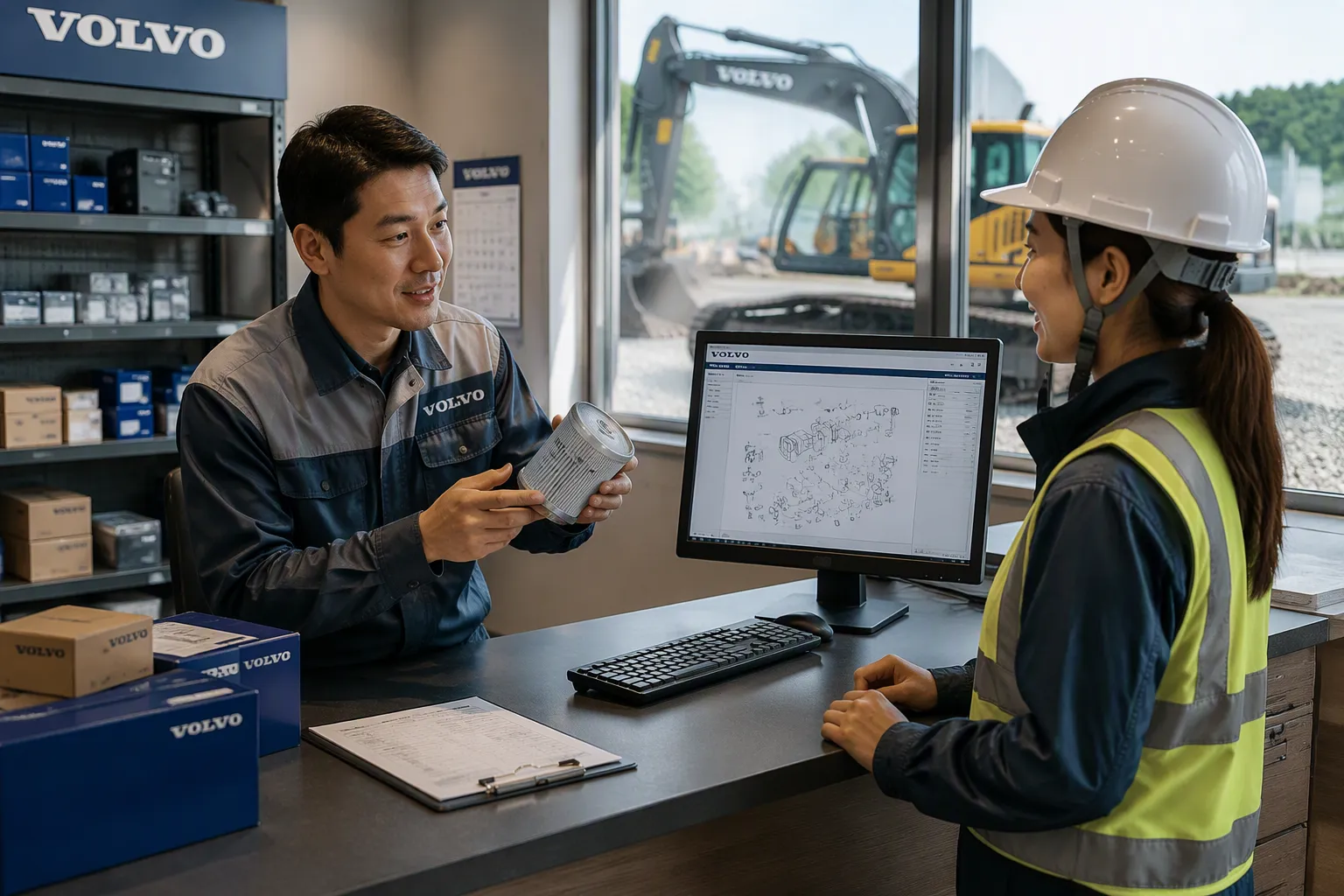
Ask an authorized construction equipment dealer to help establish the applicable service part reference and documented availability. Do not apply used-machine warranty programs to a standalone parts purchase; request the actual part warranty and exclusions in writing.
Online platforms give you another option. Good online retailers often carry a bigger inventory of spare parts than one local dealer keeps in stock. You can compare prices across regions and find items a local branch may not carry. The trade-off is that you must check each seller on your own. Check the seller’s business registration, return policy, and customer feedback before you pay. A platform with a professional website does not automatically mean genuine parts.
Korean Specialists and Regional Suppliers
A regional supplier may offer the component you need, but its location does not establish technical capability or availability. Ask about the exact part reference, condition, source and proposed delivery arrangement.
Some specialists focus on Volvo machines only. Others carry parts for many brands. A good supplier will ask for your model and serial number before quoting. That step protects you from ordering the wrong part. It also shows the supplier takes fitment seriously.
Independently verify the contracting business, its contact details and the written quotation. References and customer feedback may help assess a seller, but cannot establish that a particular item is genuine or compatible.
You can also contact a local dealer or authorized service center for recommendations. They may not stock every part you need. However, they often know which regional suppliers handle Volvo equipment well. That inside knowledge can save you time and lower risk.
When you evaluate a supplier, ask three questions. First, where does the part come from? Second, can the seller document compatibility with your machine? Third, what support do you get after the sale? A supplier who answers all three clearly is worth your business. A supplier who dodges any question deserves more scrutiny.
Evaluate each offer on its own evidence. Confirm the applicable reference and specifications, item condition, availability, total delivered price and after-sales terms. Neither local sourcing nor online ordering removes the need for these checks.
Verifying Genuine Volvo Parts
Origin and Seller Checks
Before you pay for any part, check five areas. These checks protect your money and your machine.
Where the part comes from.
Who is really selling it.
Proof it fits your machine.
The full price, with shipping and fees.
A written warranty.
Start with origin. Ask the seller where the part was made and where it ships from. A vague answer is a warning sign. Next, confirm who you are really buying from. Some listings hide a trading company behind a nice storefront. Ask for the legal business name and a local contact.
Compatibility matters just as much. Give the seller your excavator model and serial number. A serious supplier will check the part number against your machine’s documents. They will not guess.
Construction equipment excavators are different from cars in big ways. Car parts often have standard verification systems. Construction equipment parts vary more by model, production run, and region. Documentation practices differ across manufacturers and suppliers. Do not assume a car-part verification habit will work here.
Serial Numbers and Certifications
Machine and component identification helps establish application, while traceable supply documents support an origin claim. A serial number or certificate alone does not prove authenticity. Identify what a document actually covers and whether it relates to the offered item.
Quality management certification is not the same as a product-specific test result. A supplier may hold a general quality certificate. That certificate does not prove the individual part in the box is genuine or fits your machine. Treat these as separate questions. Ask for the part number, the machine model it suits, and any test or inspection record tied to that item.
You should also verify shipment details one by one. Ask for photos of the actual part, not a stock image. Request the packing list and the part number printed on the label. Compare everything against your machine’s parts manual.
A genuine part protects your excavator’s performance. A counterfeit or wrong-fit part can damage hydraulic systems, shorten component life, and cause sudden breakdowns. The cost of one failed part often exceeds the price difference you tried to save.
Good suppliers welcome these questions. They understand that construction equipment owners need certainty. A supplier who gives clear answers, written records, and honest limits earns your trust. A supplier who pressures you to pay quickly deserves more caution.
Take your time with verification. Check the origin, the seller, the compatibility, the total cost, and the warranty. Ask for serial numbers and certifications where they exist. Accept that not every part has a universal ID. Use documentation, not guesses, to guide your decision. This habit protects your equipment and your budget.
Key Factors for Your Decision
Price vs. Value
When you compare prices, look at the total cost, not just the part price. Ask the seller for the full amount with shipping, customs, and handling fees. A low part price with high shipping can cost more than a higher-priced part with free delivery. You should also compare what each part type gives you. Volvo CE puts its offerings into maintenance parts, repair parts, remanufactured parts, and wear parts. Each group serves a different purpose. Maintenance items like filters and fluids keep your excavators running every day. Repair parts fix sudden breakdowns. Remanufactured components restore worn assemblies for less than new ones. Wear parts such as buckets and cutting edges handle the hardest jobs. Match the part group to what you really need. A cheap wear part may fail fast and cost you more over time. A quality remanufactured hydraulic component can give strong value for older volvo machines. Think about the whole picture before you decide.
Model Compatibility
Compatibility depends on your exact excavator model. A part that fits one machine may not fit another, even in the same brand. Always confirm the part number against your machine’s documents before ordering. Check your operator’s manual or parts catalog for the exact number. Give the seller your model and serial number. A serious supplier will check the part number for you. Do not trust a photo alone. Two similar-looking parts can have different specifications. Construction equipment parts vary by production run and region. Ask the seller to confirm fitment in writing. This step protects your equipment from damage. A wrong hydraulic fitting or seal can cause leaks and costly repairs. Warranty terms also matter here. Get all warranty details in writing before you pay. Aftermarket parts may carry different coverage than genuine Volvo parts. Some aftermarket suppliers offer strong warranties. Others offer none. Compare the coverage, not just the price. A written warranty on reliable equipment parts gives you real protection. It also gives you a clear path if something goes wrong. Take time to verify compatibility and warranty terms. That effort keeps your service costs down and your machine working.
Shipping and After-Sales Support in Korea
Shipping Time and Customs
Request a written dispatch estimate and delivery estimate for the actual item, route and destination. Confirm whether stock is physically available and what could change the estimated schedule.
Distinguish a domestic Korean delivery from an international shipment. For cross-border purchases, confirm responsibility for documentation, clearance, charges and final delivery with the relevant seller or freight provider. Obtain current shipment-specific information rather than assuming a general rate or procedure.
Check the shipment method and tracking details. Ask if the seller ships directly or uses a freight partner. For heavy parts, ask about crating and liftgate service. These details affect both cost and delivery speed.
Warranty, Returns, and Technical Assistance
Written warranty and return policies are a must. Ask for the warranty term, what it covers, and how to file a claim. Get the return window and conditions in writing. A verbal promise gives you no protection.
Technical help may come from authorized dealers or skilled Korean suppliers. Some offer service and maintenance support for Volvo machines. Local technicians can do on-site service when needed. Others give maintenance help by phone or email. Ask if the supplier offers these services before you buy.
Some modern systems let you check service intervals and fault alarms from a distance. This feature helps you plan maintenance and avoid downtime. Ask if your equipment supports this function and if the supplier can help you set it up.
After-sales support should be confirmed in writing, especially for online purchases. Ask who to contact for service questions. Get names, phone numbers, and email addresses. A supplier who gives clear support channels is a safer choice. That written record protects your equipment and your investment.
You now know the main steps for a good purchase. Put authenticity first. Check that the part fits your model and serial number. Compare the full costs, like shipping and fees. Get warranty and shipping terms in writing.
Buying the right volvo excavator parts korea protects your volvo excavators and stops costly downtime. The right part keeps your volvo equipment running strong. It also makes your volvo machines last longer.
Keep the quotation, confirmed item description and agreed shipment and support terms with your purchase record. Resolve any discrepancy before payment.
FAQ
How do I know a part is genuine Volvo?
Ask the seller for the part number, machine model, and any inspection record for that item. Check where the part comes from and who is actually selling it. A general quality certificate does not prove the individual part is genuine or fits your machine.
Can I use aftermarket parts in my Volvo excavator?
Yes, aftermarket parts can work well. However, warranty coverage may be different from genuine Volvo parts. Compare the written warranty terms, not just the price. A good aftermarket component can offer strong value for older machines.
What information should I give a supplier before ordering?
Give your excavator model and serial number. Share the exact part number from your operator’s manual or parts catalog. A serious supplier will confirm fitment using these details. This step prevents wrong-fit parts and costly damage.
How long does shipping take for volvo excavator parts korea buyers?
Delivery times vary by supplier location and part availability. A local branch may deliver faster than a distant supplier. Ask for a written delivery estimate before you pay. Confirm any customs, handling, or special delivery fees upfront.
What should I do if a part fails after purchase?
Contact the seller right away using the support channels provided. Reference your written warranty terms and return policy. Keep records of the purchase, part number, and installation details. A clear paper trail speeds up any claim.
For Volvo excavator parts sourcing, consider YNF Machinery. Provide full machine and component identification, applicable part numbers and quantities, and request supported compatibility information, an actual quotation and written warranty and return terms before ordering.



