
A single wrong or late part can delay your job and waste labor hours. That makes choosing a supplier a financial decision, not just a purchase. Cheap parts and quick promises often cause poor fit, repeated repairs, and no help when things go wrong. You need a simple, clear plan before choosing where to buy excavator parts. This guide helps you know your machine, check quality, compare prices and terms, and check support before buying. Each step protects your time, your budget, and your equipment. Use this plan to avoid expensive mistakes and keep your projects moving forward.
Key Takeaways
Write down your machine’s make, model, and serial number before you call any supplier.
Pick a supplier who checks part numbers and compares them to make sure they fit perfectly.
Compare OEM, aftermarket, and rebuilt parts by price, warranty, and fitment risk.
Check the supplier’s inventory depth and quality standards to get fast, reliable parts.
Ask the supplier a technical question before you buy to avoid future problems.
Know Your Machine First
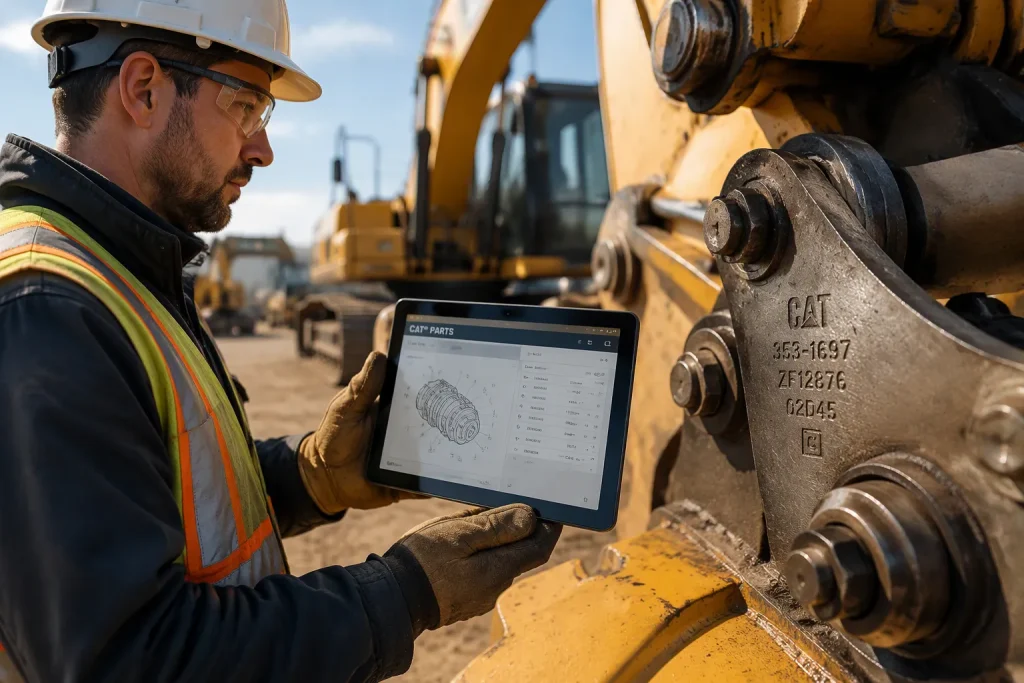
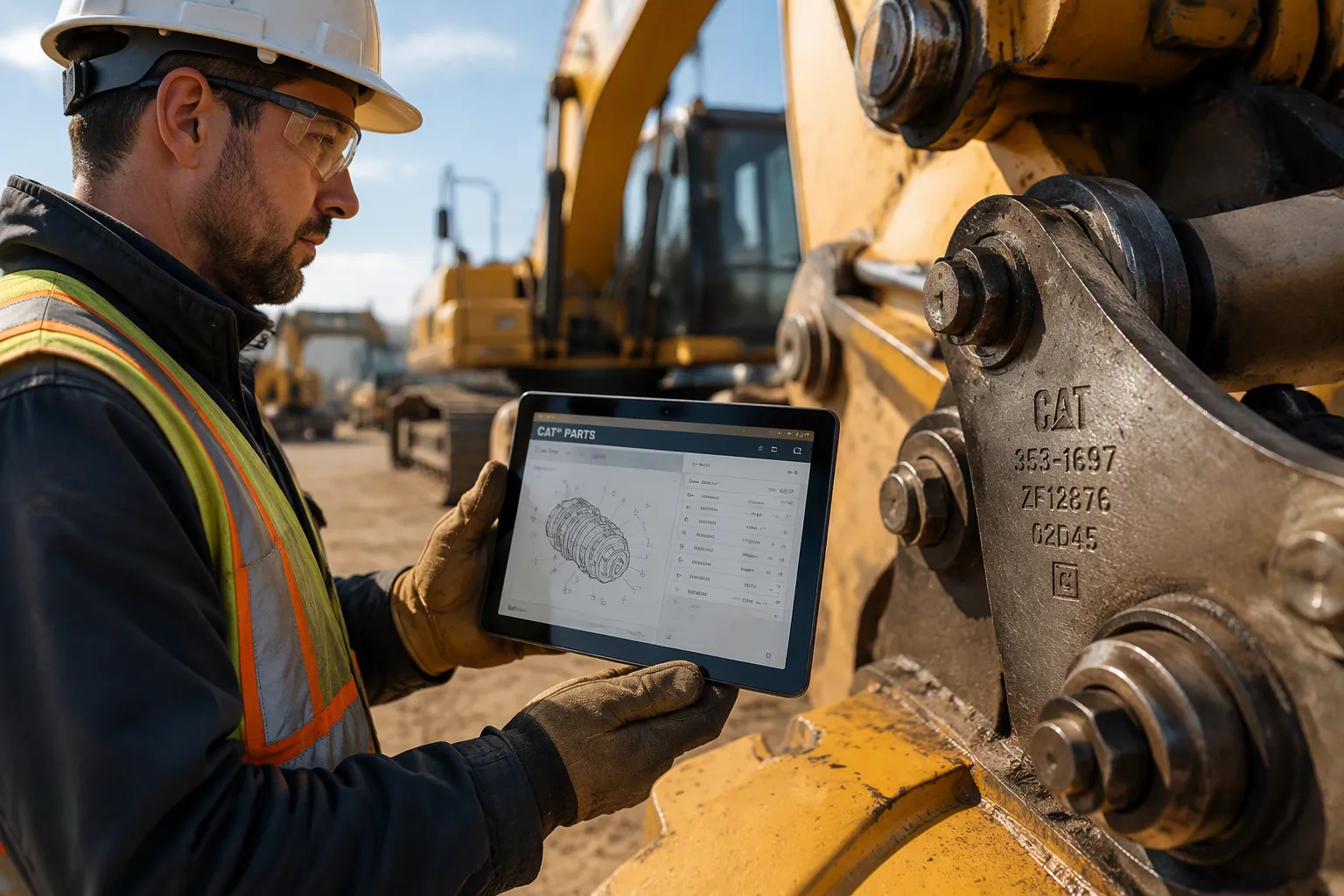
Before you call or email any supplier, you must know your machine. The exact make, model, and serial number form the base of every parts order. Suppliers use these identifiers to match parts to your equipment. Without them, you risk getting a part that looks right but does not fit.
Record Make, Model, and Serial Number
Use the machine’s operator or service documentation to locate its identification plate. Record the full model and serial number accurately. Component identification may also be needed for engines, pumps or other assemblies.
Parts can differ within the same model. A supplier that knows your exact machine can cross-check every component against the machine’s exact specifications. This step stops simple mistakes, like ordering a piston or seal for a newer variant when you own an older one. When you give precise identifiers, the supplier can confirm the correct part before shipment. This one habit saves hours of downtime and return shipping.
Understand Serial Number Breaks
Manufacturers often change designs during a model’s production run. They record these changes with serial number breaks. A break marks the exact point where one component version replaces another. Machines built before the break use the earlier version. Machines built after it use the later version.
A supplier who ignores serial number breaks may ship the wrong component. That is why you should always recite your full serial number, not just the model. Ask the supplier directly how they use this number to verify fitment. A reliable supplier asks for it and references the break points before quoting.
Different excavator models may use different equipment and components. Do not assume that a part from a similar machine will work. Checking specifications, rather than guessing, helps you find the right heavy equipment parts the first time. When you combine exact identifiers with a supplier’s verification process, you protect your budget and your schedule.
Find a Reliable Excavator Parts Supplier
To find a good excavator parts supplier, begin by asking the right questions. A website and a phone number are not enough. You need proof that the supplier knows your machine and can get the correct part. This section helps you separate strong suppliers from risky ones.
Check Brand and Part Number Coverage
Ask whether the supplier supports your exact machine and requested part number. Equipment and engine brands identify the application, but a supplier need not cover every brand to be suitable for a particular order.
A trustworthy parts supplier will not guess. They look up your part number in their system before giving a price. If they cannot confirm it, move on. Look for a supplier who answers technical questions clearly and replies fast. Slow or unclear answers often point to deeper problems.
If the seller cannot establish the offered part’s identity and applicability, resolve that uncertainty before ordering.
An authorized dealer or parts supplier can help with identification and sourcing. Evaluate the actual part information, provenance, written coverage and support arrangements; a channel label alone does not guarantee a successful order.
Confirm Cross-Reference Ability
Part numbers change. Manufacturers update them. Aftermarket makers use their own numbers. A good excavator parts supplier can cross-reference part numbers across major excavator brands. This skill saves time and stops wrong orders.
Say you have an old part number from a machine manual. That number might not be in any current catalog. A supplier with cross-reference skill can find the new number that matches it. They will confirm the match before shipping. This saves you from fitment failures and repeat repairs.
Ask them directly: “Can you cross-reference this number for me?” A reliable supplier will say yes and show you the result. They will explain how they checked the match. They will also say if no safe match exists. This kind of honesty builds trust.
For delivery to a United States destination, confirm the dispatch location, freight arrangements and import responsibilities where applicable. Verify actual lead times rather than inferring them from the supplier’s location.
When you check excavator parts suppliers, test their technical knowledge. Ask about serial number breaks, model changes, and part compatibility. A supplier who answers with confidence and detail deserves your business. One who avoids questions does not.
Use these checks early. They form the base of your supplier evaluation checklist. A supplier who passes these tests earns the right to quote your next order.
Where to Buy Excavator Parts
You have three main ways to buy excavator parts: an authorized dealer, a verified independent supplier, or an aftermarket source. Each one offers a different mix of price, fitment risk, and warranty protection. Compare them before you decide.
OEM Dealers vs. Verified Suppliers
An authorized dealer may supply genuine components under the equipment maker’s brand. Confirm authenticity, the applicable part number, actual availability and written coverage. Genuine-part status does not provide universal fitment or reliability guarantees.
An independent supplier may offer genuine, aftermarket, used or rebuilt options. Confirm what the particular item is, how compatibility was checked and what support and coverage apply.
Aftermarket and Rebuilt Options
Aftermarket parts come from makers other than the original builder. The price is usually lower, but quality varies a lot. Some aftermarket parts match oem parts in material and tolerance. Others cut corners on metal grade or heat treatment. Warranty terms also differ, so read them closely before buying heavy equipment parts.
For rebuilt pumps or final drives, request the rebuild scope, replacement details and relevant test records. Compare price, condition, compatibility and coverage with new options; neither a rebuilt nor a genuine label establishes service life by itself.
Option | Compatibility verification | Warranty | Quoted price |
|---|---|---|---|
Authorized dealer (OEM) | Confirm the applicable part number and configuration | Read the actual written terms | Compare the itemized quote |
Verified independent supplier | Confirm specifications and supported cross-reference | Confirm the coverage provider and terms | Compare equivalent condition and specification |
Aftermarket or rebuilt | Varies | Varies by seller | Compare the actual quotation |
Compare the purchase price with relevant freight, installation, return and downtime costs. Confirm exact part details and condition for delivery to your United States address.
Evaluate Inventory and Part Quality
A supplier’s stock shows how fast they can fill your order. Their quality checks show whether the part will last. You need to judge both before you buy.
Inventory Depth Across Brands
A big on-hand inventory covers many brands and machine sizes. Look for a range that goes from small linkage pins and bushings up to complete assemblies like hydraulic pumps and final drives. A supplier with this kind of depth can serve a mini excavator and a full-size machine from the same warehouse.
Request stock confirmation for the exact part and quantity, along with processing time and dispatch estimates. An on-hand quantity does not by itself determine the delivery date.
Evidence of Quality Standards
Good suppliers show clear product information. You should see the part number, the brand, the condition, and the material or specification where it matters. Reasonable stock levels also signal a supplier who plans ahead instead of chasing every order.
Certifications can support your decision, but read them correctly. An ISO 9001 certificate covers a quality management system, not the fitment or performance of a specific part. Treat it as one signal among several, not as proof that a component will fit your machine.
Critical components demand precision engineering. Hydraulic systems for Komatsu and Hitachi machines run at tight tolerances, so small errors in bore size or seal fit cause leaks and failures. Ask how the supplier verifies these parts. A serious supplier explains their inspection process and names the standard they follow. That transparency protects the quality of your excavator parts supplier relationship and your equipment.
Compare Quotes and Order Terms
A quote is more than a price. It is a written record of what you will receive and what you will pay. Compare quotes side by side before you commit, whether you are buying excavator parts for one machine or purchasing heavy equipment parts for a fleet.
What a Complete Quote Includes
Every complete quote should list six items: part number, brand, condition, price, availability, and estimated lead time. Ask for all six in writing. A verbal price means nothing when the part arrives wrong.
Quote Item | What to Check |
|---|---|
Part number | Matches your machine’s serial number break |
Brand | OEM, aftermarket, or rebuilt, stated plainly |
Condition | New, rebuilt, or used, with details |
Price | Unit price plus any core charge |
Availability | In stock or on backorder |
Lead time | Estimated ship date, not a vague promise |
A supplier who skips any line leaves room for surprises. Ask about core charges and return shipping too. These costs change your total delivered cost. For imported orders, check generic U.S. import charges such as customs brokerage and duties with your freight forwarder. The quoted price is not the final number you pay.
Shipping, Lead Times, and Returns
Review the shipping method before you order. Ask whether the supplier ships by air, ocean, or ground. Each method carries a different cost and speed. Confirm who handles customs paperwork for heavy equipment parts entering the country.
Ask for a realistic dispatch commitment and delivery estimate, clearly distinguishing production, processing and transit time. Record uncertainties and how delays will be communicated.
Return policies protect you when a part does not fit. Read the return window, the restocking fee, and who pays return freight. Get these terms in writing before buying heavy equipment parts.
Cross-check every part number against your machine’s serial number before you order. One wrong digit can turn a simple construction equipment parts order into a costly return.
Confirm the part number twice: once when you request the quote, and again when you approve it. This habit catches mismatches before they ship. A careful supplier welcomes the double-check. That is the mark of a partner worth keeping.
Test Support Before You Buy
You can see how good a seller’s support is before you pay. Send a technical question and watch how they answer. A solid seller gives clear facts and exact part details. A poor one offers fuzzy promises or tries to rush you into buying. This test is free, and it shows a lot about how the seller will treat you later.
Response Speed and Technical Help
Send a real question about your machine. Ask about a serial number break or a cross-reference match. Time how long they take to reply. Fast answers matter, but clear answers matter more. A quick reply that avoids the question does not help you. You want a team that reads your question and answers what you really asked.
Now judge the reply. Does the company explain how they checked the part? Do they name the fitment check they used? A trustworthy excavator parts supplier offers facts, not pressure. If they cannot explain their own steps, they will not help you after the sale. Ask a second question and see if the next answer is just as clear.
Before ordering, seek clear answers to important identification and support questions. Treat unresolved uncertainties as a reason to investigate further.
Post-Sale Problem Resolution
Sometimes a part does not fit or breaks too soon. Dependable support means the seller takes your call, checks the part number, and offers a real fix. They may send a new part, give a refund, or guide you through the return. They do not vanish after you pay the invoice. Good support also has a clear contact person and a set time for replies.
Business history and references provide context, but no minimum number of years proves reliability. Review relevant evidence of delivery, quality and problem resolution, and agree a clear contact and claims process.
Use a Supplier Evaluation ChecklistA solid checklist keeps every purchase consistent. You apply the same standards to each quote, each phone call, and each part order. The checklist works for a single pin or a complete hydraulic assembly. Use it every time you buy construction parts. You will catch problems before they cost you money.
Red Flags to Walk Away From
Watch for four warning signs when you talk to any parts seller.
The first red flag is no part number verification. A seller quotes a price without confirming your part number and serial number break. That seller does not know what you need. They may ship a look-alike part. That part wastes your time and delays your job.
The second red flag is vague warranty terms. Clear warranty terms name the part, the condition, and the coverage period. Vague terms hide costs. You cannot trust an unexplained warranty.
The third red flag is no technical answers. Ask about serial number breaks or cross-references. If the seller cannot explain the fit, they cannot fix a problem after the sale.
The fourth red flag is pressure to buy immediately. A genuine seller lets you check the part number, review the quote, and confirm the terms. A pushy seller wants your money before you think.
Investigate warning signs and resolve important discrepancies before payment. Assess the combined evidence rather than treating a single response as proof of reliability.
The checklist also applies when buying heavy equipment parts from a new source. You have limited time. A bad seller wastes it. A quick check saves you from returns, rework, and downtime.
Questions to Ask Every Supplier
Ask the same questions to every supplier. Their answers tell you whether they deserve your order.
Can you verify this part number against my machine’s serial number break?
Which brand and condition do you recommend, and why?
Is the part in stock? What is the exact ship date?
What does your warranty cover, and how do you file a claim?
Can you cross-reference an old part number to a current one?
Who handles customs and import paperwork for my order?
What is your return policy, and who pays return freight?
These seven questions form the heart of your supplier evaluation checklist. Ask them by phone, email, or chat. Write down the answers. Compare them side by side before you place an order.
A clear answer shows a reliable parts supplier. A slow, vague answer shows risk. Listen carefully to each response. Notice whether the seller gives facts or promises.
Your supplier evaluation checklist should also record each quote. Write down the part number, brand, condition, price, availability, and lead time. This record protects you when you compare offers from more than one source.
Checking the seller before you buy heavy equipment parts takes only a few minutes. Those minutes can save days of lost work. You protect your machine, your budget, and your schedule with a few direct questions.
Now count your red flags and answers. A seller verifies part numbers, explains warranty terms, answers technical questions, and lets you decide at your own pace. That seller is likely reliable. That kind of excavator parts supplier earns trust. The rest do not. You now have a complete plan. Apply it to your next order.
You now have a full plan. Know your machine by make, model, and serial number. Make sure the supplier knows your brand and can cross-reference part numbers. Compare OEM, aftermarket, and rebuilt options honestly. Check inventory depth and quality evidence. Read every quote line by line. Test support before you pay.
The cheapest quote rarely costs the least. Downtime, returns, and rework add up fast. Use this checklist on your next order. Ask suppliers who answer every question clearly for a quote.
FAQ
These answers cover the top questions buyers ask before ordering heavy equipment parts.
What information should I give a supplier before requesting a quote?
Give the exact make, model, and full serial number. Include the serial number break if you know it. This info lets the supplier check fitment before shipping. Without it, you may get a part that looks right but does not fit.
How can I verify a part number before buying?
Ask the supplier to cross-reference the part number with your machine’s serial number. Check the brand and condition in the quote. Make sure the number matches when you approve the order. One wrong digit can cause a very costly return.
Is a cheaper aftermarket part a smart choice?
Evaluate the specific application, compatibility, material and performance evidence, actual cost and written coverage. Neither OEM nor aftermarket classification guarantees a longer service life.
What should I do if a part fails early?
Document the issue and contact the supplier promptly with order details, photographs and relevant inspection records. Follow the written claim and return procedures; the available remedy depends on the agreed terms and the circumstances.
How can I test a supplier’s support before paying?
Send a technical question about your machine. Ask about serial number breaks or part cross-references. See how fast and clearly they reply. A supplier who avoids technical questions will likely avoid you after the sale.
For your next excavator parts order, consider YNF Machinery. Share machine identification, applicable part numbers and quantities, and request compatibility confirmation, relevant specifications, an itemized quotation and written warranty and return terms before purchasing.



