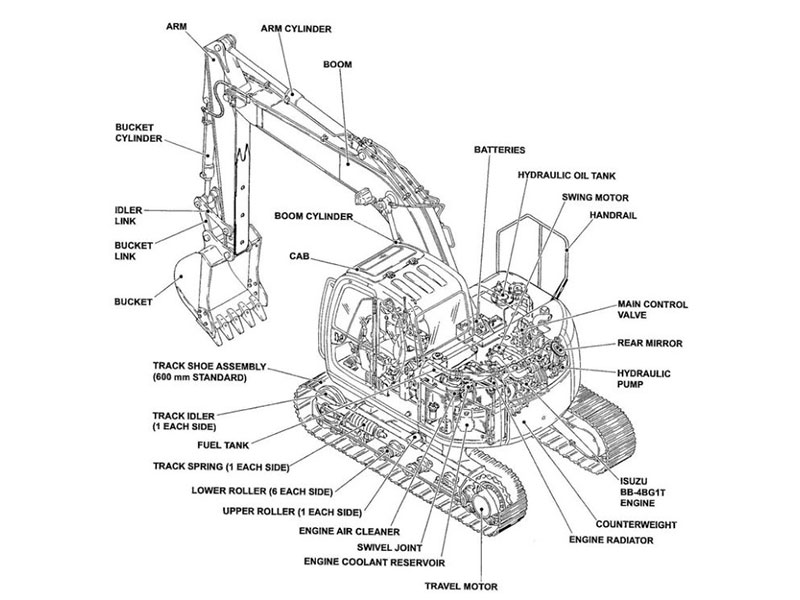
When shipping an excavator, it’s crucial to ensure that its parts remain undamaged. You can achieve safe shipping by following the right steps. First, inspect the parts thoroughly. Next, clean them to remove any debris. Use appropriate packaging of excavator parts to ensure that the components are secure and cannot move during transit. Clearly label everything and maintain accurate records. Many individuals are concerned about customs delays, excessive paperwork, potential damage while moving, and unexpected fees. YNF Machinery can assist you in avoiding damage and simplifying the shipping process.
-
Common shipping problems:
-
Delays at customs
-
Extra paperwork
-
Damage during transport
-
Unexpected fees
-
Key Takeaways
-
Check and clean all excavator parts before shipping. This helps stop damage and makes sure they are ready to move.
-
Use tough, strong packaging materials to keep parts safe. These materials protect them from water and bumps during shipping.
-
Put clear labels on all packages and keep good shipping papers. This helps avoid customs problems and makes sure you follow the rules.
-
Go through a final checklist before shipping. Make sure all parts are safe, clean, and have the right papers.
-
You can ask YNF Machinery for help with packing and shipping. They can make the job easier and help stop damage.
Assessing Excavator Parts for Shipping
Identifying Part Types and Condition
You need to know what parts you want to ship. Each excavator part is a different size and weight. Each part also does a different job. This information helps you pick the best way to ship and pack them. Use the table below to keep track of important details before you begin:
|
Requirement |
Description |
|---|---|
|
Description of cargo |
List the specific excavator parts you are shipping. |
|
Container type |
Decide if you need a high-cube, flat rack, or roll-on/roll-off option. |
|
Total gross weight |
Calculate the total weight of all parts for accurate shipping costs. |
|
Supplier Address |
Note where the parts will be shipped from. |
|
Delivery Address |
Record the final destination for the parts. |
|
HS Code |
Use the correct code for customs and taxes. |
You should check each part’s condition. Look for any damage, leaks, or signs of wear. Make sure every part fits your excavator model. Test important parts like hydraulic systems and engines to see if they work.
Disassembly and Fluid Draining
You have to get the excavator parts ready for shipping. First, look for leaks or damage on the machine. Check the fluids and drain them if the rules say so. Take off big attachments to make the shipment smaller and lighter. Make sure all moving parts are held in place so they do not move during shipping.
-
Look for leaks or damage.
-
Drain fluids if needed.
-
Take off big attachments.
-
Hold all moving parts in place.
Pre-Shipment Inspection
Before you ship, do one last check. Go over your list and make sure every part is clean and ready. Check that all parts have labels and match your shipping papers. This step helps you avoid problems and delays when shipping.
Tip: Careful checking and getting ready keeps your parts safe and helps them arrive without damage.
Cleaning and Protecting Engine Parts
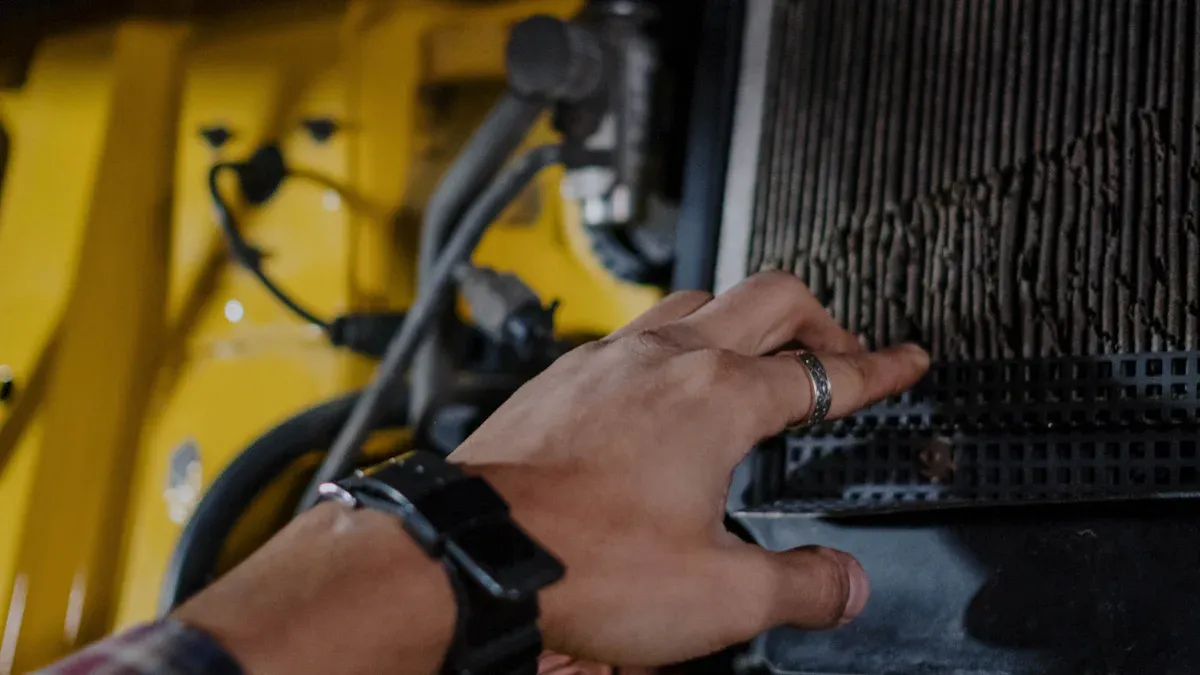
Cleaning Methods for Excavator Engine Parts
You must clean engine parts before shipping them. First, get your cleaning tools ready. Put the excavator on a wash rack. Use a spade or steel bar to scrape off big dirt pieces from underneath. Pick up and throw away any trash to keep things safe. Spray the machine with a water cannon to remove loose dirt. Wipe off grease using cloths. Put a little detergent on dirty areas, especially near the engine. Let the cleaner stay for about 15 minutes. Rinse the parts from top to bottom with water. Use a small brush or pressure washer for tight spots. Clean hoses and rubber parts with a gentle cleaner. Let the parts dry in the air or use compressed air if you need to. Always check the wash area and clean up any leftover waste.
Moisture and Corrosion Prevention
You need to keep engine parts dry so they do not rust. Use materials that block water to protect them. Put desiccants inside the package to soak up extra moisture. Wear gloves when you touch metal parts to keep sweat and oil away. Do not use cardboard or wood for packing because they can hold water. Wrap metal parts in special film that keeps water out. Spray rust-preventive sprays on surfaces to protect them. If you can, pick climate-controlled shipping to keep the temperature steady.
Tip: Clean and dry engine parts stay safe from damage and are ready to use.
Protective Wrapping and Coating
You should wrap and coat engine parts to keep them safe from bumps and chemicals. Different coatings help in different ways. The table below shows some common choices:
|
Type of Coating |
Benefits |
|---|---|
|
Ceramic Coatings |
Protects from heat, rust, and wear. |
|
Epoxy Coatings |
Makes a thick, strong shield against chemicals. |
|
Polyurethane Coatings |
Stays bendy and takes in impacts. |
|
Zinc Coatings |
Stops rust and keeps metal safe. |
These coatings help engine parts last longer and need fewer repairs. Wrapping and coating parts before shipping helps make sure your equipment arrives in great shape.
Packaging of Excavator Parts with YNF Machinery
When you get excavator parts ready for shipping, you protect your money and make sure your equipment works when you need it. YNF Machinery is a good company to help you pack excavator engine parts. You can count on their help to make sure every part is packed well and ready to ship.
Choosing Industrial-Grade Materials
You need strong stuff to pack excavator parts. Things like tough crates and soft padding give the best safety. These things keep your excavator engine parts safe from bumps and drops. They also help with shaking during shipping. You should use wraps and films that keep out water and dirt. This stops rust and damage. YNF Machinery only uses good packing materials that follow the rules. You can trust your parts will get there in great shape.
Tip: Always pick packing materials that fit your excavator parts. This stops them from moving and getting hurt.
Using Crates, Pallets, and Cushioning
You should use crates, pallets, and padding to pack excavator parts. Crates stop your equipment from moving and keep out water and dirt. Pallets help you move heavy parts with forklifts. Padding takes in shocks and helps stop cracks or dents. YNF Machinery makes special crates that fit your parts, even if they are weird shapes. This care keeps your excavator engine parts safe and follows all shipping rules.
Using the right packing saves you money over time. You do not have to pay for repairs or wait for new parts. Good packing also helps you follow the rules and avoid fines. You can see the main reasons in the table below:
|
Packaging Method |
Main Benefit |
|---|---|
|
Crates |
Stops moving and blocks water and dirt |
|
Pallets |
Makes lifting and stacking easy |
|
Shock-Absorbent Cushion |
Stops cracks and dents |
|
Custom Crating |
Fits odd shapes and follows rules |
Immobilizing and Sealing Components
You must stop all parts from moving inside the box. Holding and sealing are important steps when packing excavator parts. Use special bags and sealed pouches for small or breakable parts. Put oil or a cover on metal parts to stop rust. Add more protection for parts that rust fast. YNF Machinery follows strict rules to make sure every part is packed and sealed well.
Here are some mistakes you should not make when packing excavator engine parts:
|
Mistake |
Description |
Proactive Solution |
|---|---|---|
|
Leaving Components Loose |
Fragile parts can break if not secured |
Use bubble wrap and hold all parts in place |
|
Not Cleaning the Part |
Dirt can make labels not stick |
Clean and wipe parts before packing |
|
Treating All Parts the Same |
Different parts need different packing |
Use special packing for each part type |
|
Incorrect or Incomplete Labeling |
Mistakes can slow down or lose packages |
Check all labels to make sure they are right |
Note: If you follow the right packing steps, you can stop these mistakes and keep your excavator engine parts safe.
YNF Machinery helps you with every step of packing excavator parts. You get good advice, strong materials, and special packing for every order. You can trust YNF Machinery to pack your parts and get them ready for safe shipping.
Labeling and Documentation in the Shipping Process for Excavators
Proper Labeling for Handling and Compliance
Every package needs a clear label before shipping. Labels help workers know how to move and store parts. Some labels say if a part is heavy or fragile. Others show if it needs special care. Customs officers look at these labels to check the rules. If you ship to another country, use the right codes and part numbers. This stops mix-ups and keeps your shipment moving. YNF Machinery can help you with labeling so you follow all the rules for shipping excavators.
Shipping Paperwork and Insurance
You need the right papers before you ship anything. Each paper has a job. The table below shows what you need and why:
|
Document Type |
Purpose |
|---|---|
|
Commercial Invoice |
Needed for customs and to check the sale. |
|
Packing List |
Shows what is in the box and helps fix problems. |
|
Shipping Documents |
Proves who owns the parts and how they travel. |
|
Insurance Documents |
Protects your parts and explains what is covered. |
Check for extra rules before you ship construction equipment. You might need an invoice, a cargo control paper, a bill of lading, or an export paper. Customs brokers can help you get these papers and avoid trouble. YNF Machinery helps you with all the documents so you follow the rules when shipping.
Tip: Good paperwork helps you avoid delays. Check your papers early so you can fix mistakes before they cause problems.
Photo Documentation and Condition Records
Take photos of your parts before and after you ship them. Photos show what shape your parts are in. They prove you packed and shipped everything the right way. If something goes wrong, you can use the photos to show what happened. Here are some reasons why taking photos is important:
-
Photos show the condition of your parts when they arrive.
-
They help fix problems by showing what the parts looked like first.
-
Pictures help you prove your case if there is a problem.
-
Photos make it easier to see what happened during shipping.
-
Customers can look at the photos and ask fewer questions.
YNF Machinery helps you keep good records and gives tips for taking clear photos. Good records and photos protect you and make shipping easier.
Ensuring Safe Shipping with YNF Machinery
You want your excavator parts to get there safely. Taking the right steps keeps your equipment ready to use. Experts say you should follow a clear plan to protect your money and avoid problems. If you use YNF Machinery, you get help that follows high standards. This support helps you not make common mistakes.
Final Checklist Before Shipping
Check this list before you ship your excavator parts. Each step helps stop damage and delays:
-
Take out all fluids from the parts.
-
Hold every moving part so it does not shift.
-
Wash each part to get rid of dirt and grease.
-
Look for leaks or other problems.
-
Cover sensitive parts with wraps or coatings.
-
Write down the condition with photos and notes.
-
Check all papers and permits.
-
Work with the shipping company for pickup and delivery.
Tip: Doing everything on this list helps you meet the rules. You lower the chance of insurance problems and make customers trust you more.
Customer Support and Logistics Assistance
YNF Machinery helps you through the whole shipping process. You get help with packing, papers, and delivery. The team answers your questions fast and makes sure your parts get there on time. The table below shows how YNF Machinery’s support helps you:
|
Service Type |
Description |
|---|---|
|
Fast & Secure Shipping |
The system makes sure parts arrive safe and on time anywhere in the world. |
|
Customer Satisfaction |
The team works hard to give you a good shopping experience and quick help. |
|
Fast, Reliable Delivery |
Good delivery means your parts get there fast so your equipment works well. |
You can trust YNF Machinery for safe shipping. Their experience and care help you avoid delays and damage. You can relax knowing your excavator parts are safe.
If you pack and ship parts the right way, you lower the chance of damage. It is easier to make claims if something goes wrong. Getting ready helps you send excavator parts quickly. Cleaning helps you see damage and find places to tie down. Making sure your machine works on pick-up day keeps things on track.
Here is a checklist to help before you ship:
|
Checklist Item |
Description |
|---|---|
|
Provide training on securing equipment |
Workers learn what to do and how to stay safe. |
|
Inspect vehicles and trailers |
Check if trucks and trailers can carry heavy parts. |
|
Choose the right transportation equipment |
Pick trailers that match the size of your equipment. |
|
Secure equipment correctly |
Use strong chains and tie-downs to keep parts from moving. |
|
Plan the route in advance |
Pick safe roads and follow rules for big loads. |
|
Drive sensibly and safely |
Drive carefully when carrying heavy parts. |
|
Have a response and inspection plan |
Keep emergency numbers and check parts during the trip. |
YNF Machinery uses good materials and strong methods. This helps your parts get to you safely. Their team gives support and cares about your shipping needs.
FAQ
How do you package machinery for safe transport?
You should use strong crates and pallets. Add shock-absorbing materials to protect parts. Make sure every part is held tight so it does not move. Put clear labels on each package. This way, your machinery stays safe and does not get damaged while shipping.
What is the best way to prepare for shipping heavy machinery?
Clean all the parts before shipping. Drain out any fluids from the machinery. Check each part for damage. Take off any attachments and hold moving parts in place. Take photos of the machinery before you ship it. These steps help you avoid trouble and make shipping safer.
Why is heavy equipment shipping different from regular freight?
Heavy equipment is bigger and heavier than regular freight. It needs special handling and strong packaging. You must follow strict rules when shipping heavy equipment. This keeps your equipment safe and protects people during transport.
Can YNF Machinery help with expert excavator shipping?
Yes, YNF Machinery gives expert help for shipping excavators. They help you pack, fill out papers, and plan shipping. The team makes sure your excavator parts get there safely and on time.
What documents do you need for international shipping?
You need a commercial invoice and a packing list. Shipping papers are also needed. Insurance documents are important too. These records help you get through customs and keep track of your shipment.