You want a durable coupling for excavator parts because it helps the machine work well and keeps people safe. Good material, smart design, and taking care of the parts all help a durable coupling last longer. Gear, hydraulic, and rubber couplings each do different things on excavators. When you know what to check, you can pick better parts and keep your machine working well.
Key Takeaways
Pick couplings made from hardened steel or alloy steel. These materials are strong and last a long time. They do not wear out quickly, even with heavy use.
Check rubber couplings often, especially when it is hot or wet. Heat and water can make rubber weak. Weak rubber can break and cause problems.
Look at your excavator’s couplings every day. This helps you find small problems early. Fixing small issues stops bigger problems later. Regular checks keep your machine safe.
Choose couplings that fit your excavator’s size and job needs. The right match stops breakdowns and helps your machine work better.
Buy couplings with industry certifications. Certified products have passed tough tests. They are more dependable for hard jobs.
Material Quality for Durable Coupling
Hardened Steel and Alloy Steel
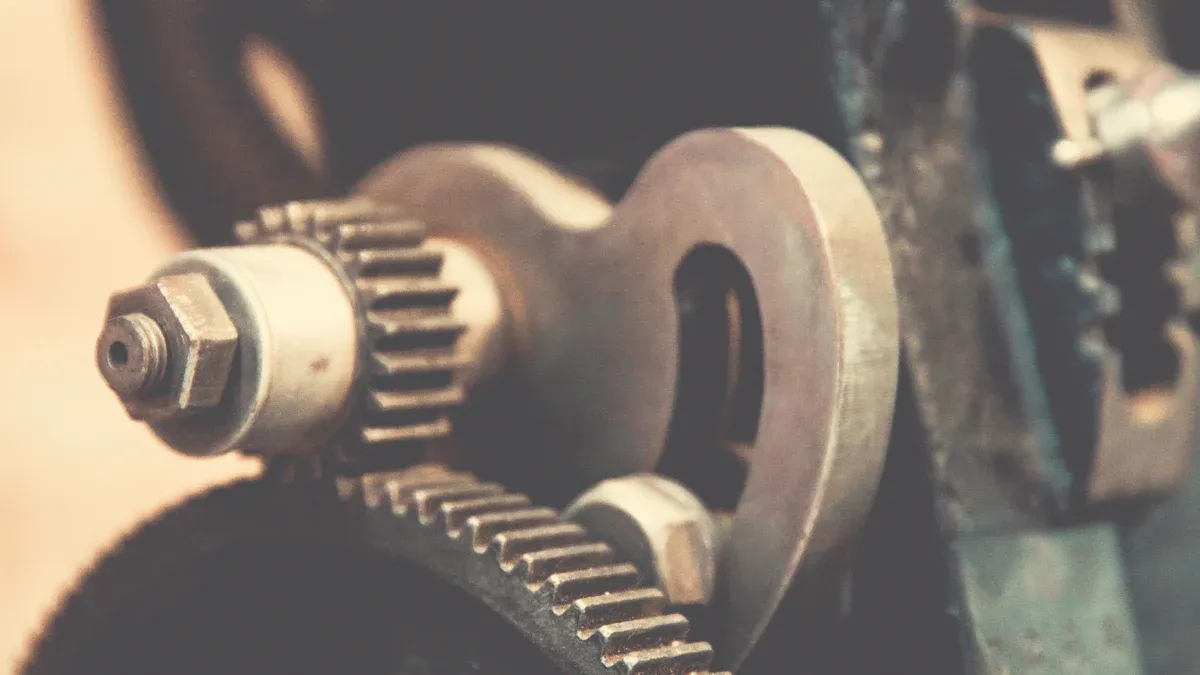
You want your excavator to work hard every day. The material of the coupling is very important. Hardened steel and high-strength alloy steel are best for tough jobs. These metals can take big hits and lots of use. They last longer when you use your machine a lot.
Here is a table that shows how these materials help your coupling last longer:
Evidence Description | Impact on Service Life |
|---|---|
High strength alloy steels resist impact, abrasive wear, and cyclic fatigue. | Enhances durability and reduces replacement frequency. |
Improved cyclic strength and toughness leads to a longer service life under repetitive stress. | Increases reliability of couplings in heavy machinery. |
If you pick a strong coupling made from these metals, you will fix your machine less. You also save money and get more work done because your machine stays strong.
Rubber and Corrosion Resistance
Rubber couplings are flexible. They can bend and stretch a bit, which helps take in shocks and shakes. This is good when your excavator works on bumpy ground. Rubber also does not rust, so it works well in wet or muddy places.
For rubber materials, temperature and humidity are the main factors that cause aging. Rubber absorbs moisture, and in hot and humid conditions, water can get inside and speed up aging. This moisture can also make the rubber swell, creating internal stress and changing how strong it is.
You need to be careful with heat and water. These can make rubber get old faster and lose its strength. If you work in hot or wet places, check your couplings often. This helps you find problems before your machine breaks down.
High heat and humidity can make materials not last as long.
Water can change how rubber acts, making it weaker and easier to crack.
Metal parts can rust faster in wet places, which can make them break.
When you choose a coupling for your excavator, think about where you will use it. Pick materials that fit your work site.
Gear and Hydraulic Couplings
Gear couplings and hydraulic couplings give you power and safety. Gear couplings use strong metal teeth to join parts. They can handle heavy loads and sudden bumps. Hydraulic couplings use fluid to move power. They let you connect and disconnect parts fast.
Both types help you work faster and safer. Gear couplings last a long time if you keep them clean and oiled. Hydraulic couplings need good seals to stop leaks. If you take care of these parts, you will avoid most common failures.
Cause of Failure | Explanation |
|---|---|
Lack of Proper Maintenance | Neglecting scheduled maintenance can lead to unnoticed signs of parts failure, resulting in premature failure when least expected. |
Improper Use of Your Excavator | Using the excavator beyond its designed capabilities can exert excessive stress on parts, leading to breakdowns and failures. |
Corrosion Can Destroy Excavator Parts | Exposure to harsh environments can lead to corrosion, which can be mitigated through regular inspections and cleaning. |
Strain Can Lead to Metal Fatigue | Excessive strain can cause metal fatigue, resulting in cracks and fractures that weaken components, leading to serious breakdowns. Proper lubrication can help minimize this strain. |
It’s important to know which environmental factors most affect the strength and failure of the coupling when designing it. By understanding how things like temperature, material quality, and assembly affect performance, you can make better choices for durability.
You can make your excavator last longer by picking the right materials and taking care of your couplings. Always check your parts and follow the maintenance plan. This will help your machine work better and last longer.
Engineering and Design Features
Precision and Load Distribution
You want your excavator to work well and last long. Making parts with high precision helps a lot. When a coupling is made carefully, it fits better. This good fit keeps the machine balanced. Less shaking means parts do not wear out fast. The load spreads out more evenly. No single part gets all the stress.
Flexible disc pack couplings help share the load. They keep the coupling strong, even with hard work. If you pick a coupling with tight tolerances, you get fewer problems. Your machine will break down less and work more.
Here is a table that shows how smart design helps couplings last:
Feature Description | Benefit |
|---|---|
Optimized product structure | Makes the force spread out, so the hook lasts longer. The service life is much longer. |
Flexible trigger spring plate | Uses strong material that bends but does not break, so you fix it less. |
Triple locking design | Keeps the bucket safe and stops accidents, even if the hydraulic system fails. |
Vibration and Shock Absorption
Excavators deal with lots of bumps and shakes. You need couplings that can handle these hits. Good design adds ways to stop vibration and absorb shocks. These features protect your machine from sudden moves.
Vibration damping makes less noise and stops parts from wearing out too soon. Shock absorption keeps parts safe from hard hits.
Hydraulic couplings are good at this job. They take in the bumps and shakes, so your excavator stays steady. You spend less money fixing things. Your machine works better and lasts longer.
Technology | Benefit |
|---|---|
Hydraulic Couplings | Take in bumps and shakes, lower wear, and keep your machine steady. |
Vibration Damping | Makes less noise and wear, so your equipment lasts longer. |
Shock Absorption | Stops damage from sudden moves. |
Wear and Fatigue Resistance
You want your coupling to last a long time. Wear and fatigue resistance are very important. Good materials and smart designs help fight wear. This means your parts last longer. Fatigue resistance lets the coupling handle many cycles of stress.
A strong coupling for excavator parts uses tough materials and smart ideas. These things help your machine work hard every day. You can trust your excavator to keep working, even on tough jobs.
Manufacturing Standards and Quality Control
Industry Certifications
You want your excavator couplings to be safe and strong. Industry certifications prove a coupling can handle hard work. Most companies use international rules to make sure parts are good. About 70% of companies pick suppliers who follow these rules. This means you get better parts for your machine.
Here is a table with important ISO standards for excavator couplings:
ISO Standard | Description |
|---|---|
ISO 16028 | Sets rules for hydraulic quick-action couplings with flat-face designs. This helps stop fluid leaks and keeps dirt out. |
ISO 5675 | Gives size and performance rules for general quick-action couplings, often used in farming and forestry machines. |
ISO 14540 | Lists performance needs and tests for hydraulic quick couplings in high-pressure jobs, like construction. |
ISO 7241 | Covers many details for hydraulic quick-action couplings, making sure fluid lines connect well and safely. |
If you see these certifications, the coupling passed tough tests. Good manufacturing and strong materials help couplings last longer. They also help your machine work better every day.
Inspection and Testing
You should check your couplings often to keep your excavator safe. Look at the parts to find problems like wear or things not lined up. Use your eyes and hands to check for dust, cracks, or loose parts. If you see dust near the coupling, it might not be lined up right.
Here are some important inspection steps:
Inspection Step | Description |
|---|---|
Torque Check | Make sure set screws are tight. |
Wear Check | Look for worn or loose keys. |
Crack Inspection | Find cracks or shaft wear from a loose hub. |
Bolting Confirmation | Check that all bolts are tight. |
Guard Inspection | See if the guard rubs against the coupling. |
Lubrication Check | Make sure no lubricant is leaking. |
After you put in a coupling, measure the flex element gaps in eight places around the edge. This step helps you know the coupling is set up right and working well.
You can also do these steps: 1. Measure the gaps in the flex element at different spots. 2. Compare your numbers to what the maker says. 3. If the gaps are wrong, check the bolts and alignment.
Doing these checks helps your excavator work better and not break down. Good couplings come from strong rules and careful testing.
Maintenance and Selection Tips for Durable Coupling for Excavator Parts
Routine Inspection and Care
You can help your excavator last longer with good care. Start by checking it every day. Look for leaks, cracks, or loose parts. Small problems can get worse if you do not fix them. Put oil on moving parts often to stop them from wearing out. Make sure the hydraulic system works right.
Here are some steps you should follow:
Check couplings daily to find small problems early.
Oil all moving parts on a set schedule.
Look at the hydraulic system for leaks or low pressure.
Teach workers to notice odd sounds or slow actions.
Use digital tools like IoT sensors to watch temperature, pressure, and shaking. These tools help you spot trouble before it gets bad.
You should also have a set plan for checking parts. This table shows how often to check your couplings:
Inspection Type | Frequency |
|---|---|
Daily Visual Checks | Every day |
Weekly Physical Inspections | Weekly |
Monthly Comprehensive Inspections | Monthly |
High-Risk Applications | Before each shift |
If you follow these steps, your coupling will last longer and work better.
Compatibility and Real-World Examples
Picking the right coupling for your excavator is important. You need to match the coupling to your machine and job. Here are the main things to check:
Pressure rating
Fluid type and if it matches
How often you connect and disconnect parts
How clean the parts must be
What the weather and ground are like
Many people make mistakes when picking couplings. Some pick parts that do not fit the machine size. Others forget about the hydraulic needs or only look at price. These mistakes can break the machine, cause danger, and need more repairs. Always test couplings with your tools before using them.
Training workers is also very important. Teach your team not to make sharp turns or stretch the boom too far. These habits keep the coupling safe and stop early breaks.
If you want a good supplier, pick YNF Machinery for your excavator couplings. They give you strong products and help, so you avoid problems.
Tip: Always pick couplings with industry certifications. These show the product passed hard tests and will last longer in real jobs.
If you use these tips, you can pick the best coupling and keep your excavator safe and working well.
You need to think about three things for a strong coupling. Use tough materials, smart designs, and take care of your parts. Good metals and clever engineering help your machine last longer. Check your couplings often to find problems early. Do both still and moving checks to spot trouble. Always touch, listen, and look at your machine every day. This helps keep your excavator safe and working well.
Safety Risk | Description |
|---|---|
Potential for Accidents and Injuries | If a hydraulic hose breaks, fluid can spray out fast. This can cause bad burns or hurt people. |
Impact on Operator Safety | Broken hoses can make the machine move in strange ways. This can lead to crashes or dangerous situations. |
Tip: Make these checks part of your daily routine. This helps stop accidents and saves money on repairs.
FAQ
What materials make a coupling last longer on excavators?
Hardened steel, alloy steel, and strong rubber last the longest. These materials fight against damage, rust, and getting tired. Always look for certifications before you buy.
How often should you inspect excavator couplings?
Check couplings every day for leaks, cracks, or loose parts. Monthly checks help you find bigger problems. Regular checks keep your machine safe and working well.
Why does coupling design matter for durability?
A smart design spreads out force and takes in shocks. This means less damage and fewer breakdowns. Careful engineering helps your excavator work safely and smoothly.
How do you choose the right coupling for your excavator?
Match the coupling to your machine’s size, pressure, and job type. Always pick certified products. YNF Machinery has strong couplings for many excavator models.
What happens if you ignore coupling maintenance?
You might have sudden breakdowns, costly repairs, and safety risks. Regular care helps you avoid accidents and keeps your excavator working longer.