Used mini excavator parts can reduce repair costs, but a part that only looks similar may not fit or perform as expected. Before buying, confirm the machine identity, part number, mounting details, condition, included hardware, and transaction terms. Keep the evidence tied to the exact item being offered.
Match the machine and component
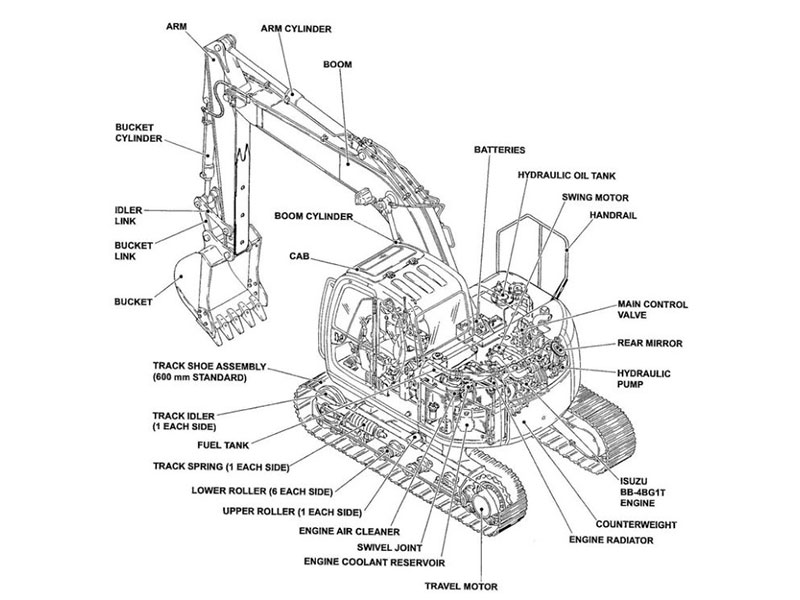
Record the excavator manufacturer, complete model designation, serial number, and configuration details shown in the machine records. Consult documentation for the specific machine rather than inferring a serial-number location from another model. Photograph the identification plate and the component being replaced. Record every readable number, casting mark, label, and orientation mark. If a number is missing or unclear, request additional views and verify fit against the parts documentation or with a qualified technician.
Compare the mounting interface
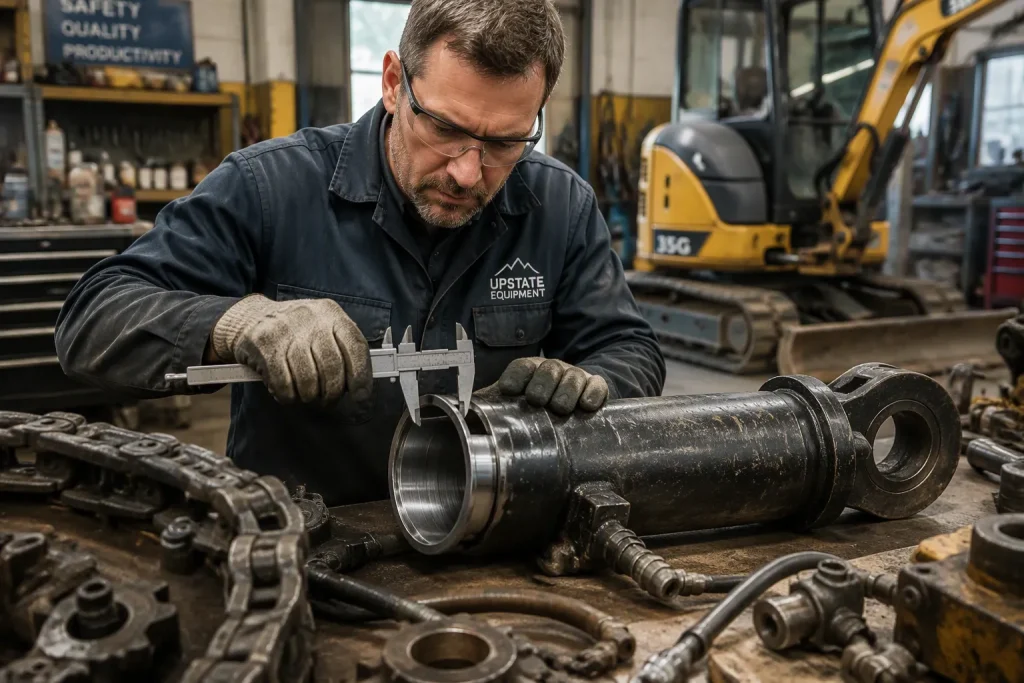
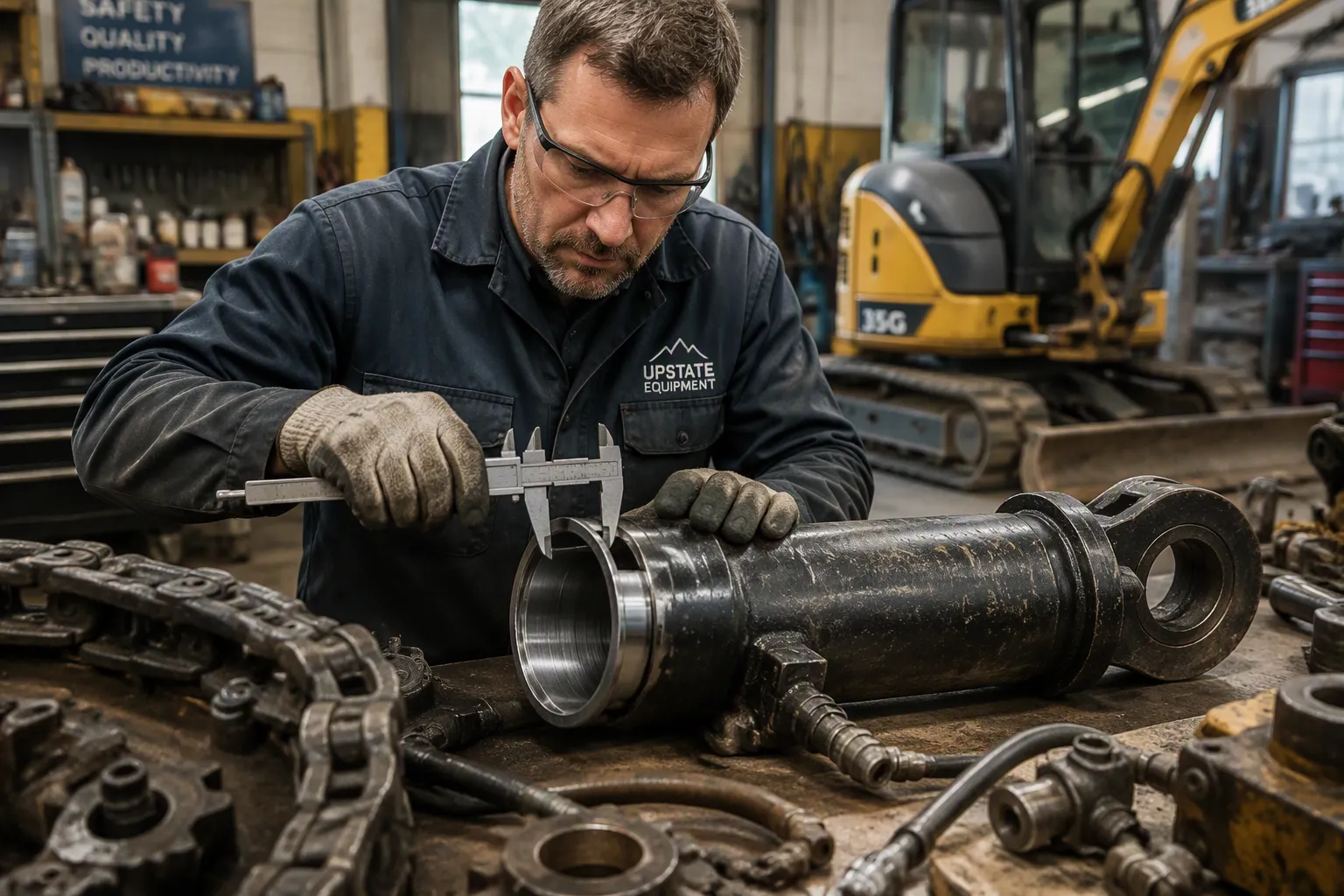
Compare the old and replacement part side by side where practical. Check mounting points, hole spacing, shaft or pin dimensions, connector type, hose ports, rotation direction, and overall envelope as relevant to that component. Use suitable measuring tools and record units. A shared brand or model family does not prove interchangeability; production changes and machine configuration can affect fit. Confirm whether seals, fasteners, brackets, spacers, or other pieces are included, and identify what must be reused or obtained separately.
Review condition with evidence
Ask for clear photos of all sides, wear surfaces, threaded areas, electrical connections, and damaged or repaired sections. Look for cracks, distortion, corrosion, scoring, contamination, missing fasteners, and uneven wear. For hydraulic or engine components, request inspection or test records for that exact item, including test conditions and date. A general statement that a part is tested is not a substitute for item-specific evidence. If the component cannot be inspected or tested, record that limitation and account for the uncertainty before deciding.
Confirm history and included items
Request source-machine details when available and ask whether the component was removed intact, stored properly, or previously rebuilt. Ask for the exact stock or component identifier used in the offer, plus photos connecting that identifier to the item. Compare the listed quantity and included hardware with the repair plan. For electronics or assemblies, verify connectors, configuration, and any required programming or calibration against relevant technical documentation. Do not assume accessories or installation labor are included unless the written offer says so.
Calculate total cost and terms
Compare the item price with freight, handling, packaging, taxes, and any inspection or return costs that apply. Confirm shipping origin, delivery method, estimated dispatch, and who is responsible for damage or loss in transit. Get the condition description, fitment basis, included items, warranty if any, inspection window, and return process in writing. Do not rely on verbal promises absent from the final order documents.
Use a decision record
Before ordering, save the machine and part identifiers, measurements, photos, test documents, written answers, and total cost together. Pause if identifiers conflict, the mounting interface is uncertain, or the evidence does not match the exact item. A short verification step can prevent avoidable downtime and repeat freight. For additional excavator parts information, contact YNF Machinery through its website.