For U.S. buyers considering used excavator parts located in Alberta, clear records can make a remote or in-person evaluation more useful. Before committing, confirm the exact component, match it to your machine, document its condition, and agree on the handoff, total cost, inspection period, and any return process in writing. A province name or a matching model label alone does not establish availability or fit.
Use this checklist to organize your questions. Measurements and tests depend on the specific component, so compare the part with information for your machine and ask a qualified technician when a result requires model-specific knowledge. Treat unverified fit or condition as an open issue.
KEY TAKEAWAYS
Record the machine make, full model, serial number, configuration, and number from the old component.
Request current images and condition evidence tied to the exact used part.
Confirm included pieces, Alberta dispatch location, packaging, delivery handoff, full cost, inspection period, and written return terms.
Do not treat a part number, photo, or seller statement alone as proof of compatibility or internal condition.
CONFIRM PART IDENTITY AND FIT
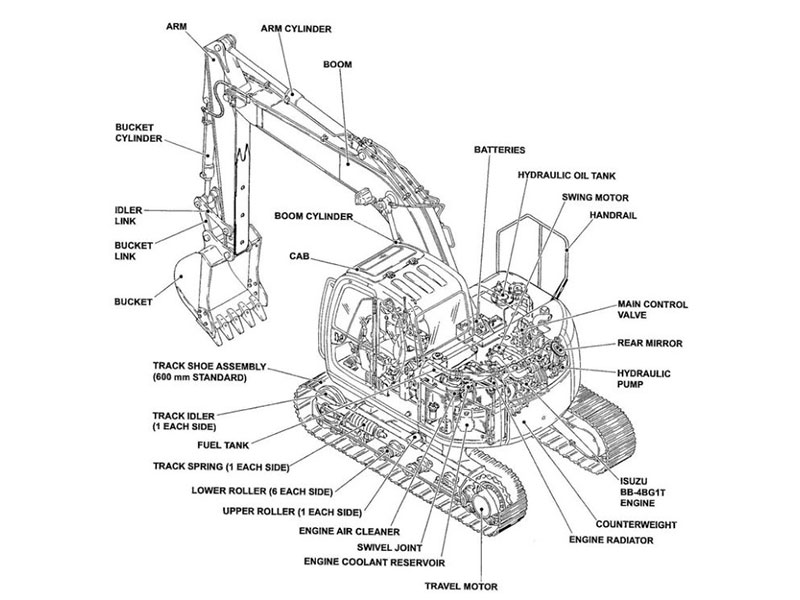
Start with the machine identification plate and the component that needs replacement. Record the make, complete model designation, serial or product identification number, and configuration details that affect the part. Depending on the application, this could include engine arrangement, hydraulic connections, attachment interface, boom or stick setup, or undercarriage type. Save the old component’s label and photographs if it is available.
Ask for the number shown on the actual component being offered. Compare it with reliable parts information for your machine’s serial range. If a replacement or superseded number is mentioned, verify the relationship with a qualified source. Check relevant dimensions, interfaces, mounting points, ports, connectors, and included hardware. A shared model name may cover more than one revision, so resolve differences before ordering.
For a remote inspection, ask for clear, current photos of the actual item, including its number and connection points. Confirm whether photos show the specific unit or a representative example. Keep images with the part number and quote so the same component is being discussed throughout the transaction.
REVIEW CONDITION AND COMPLETENESS
Ask for condition evidence suited to the part. Photos can document visible wear, corrosion, cracks, repairs, leaks, damaged threads, missing covers, or other relevant concerns. Ask when the images were taken and whether any known defect is not visible. A clean exterior does not establish internal condition, and the word “tested” does not identify what was tested or the result.
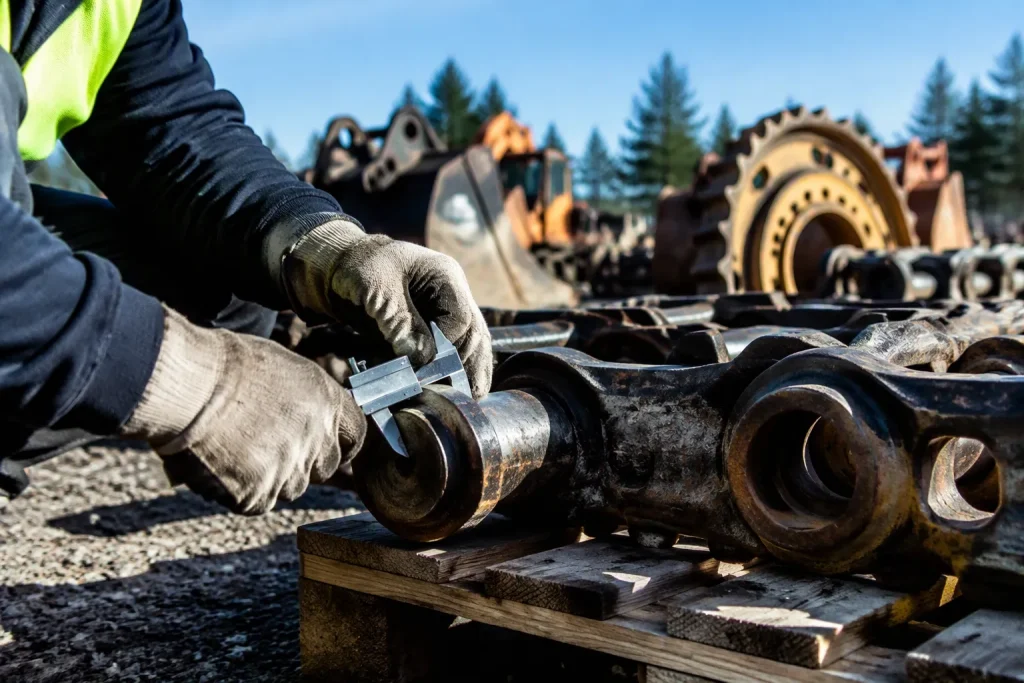
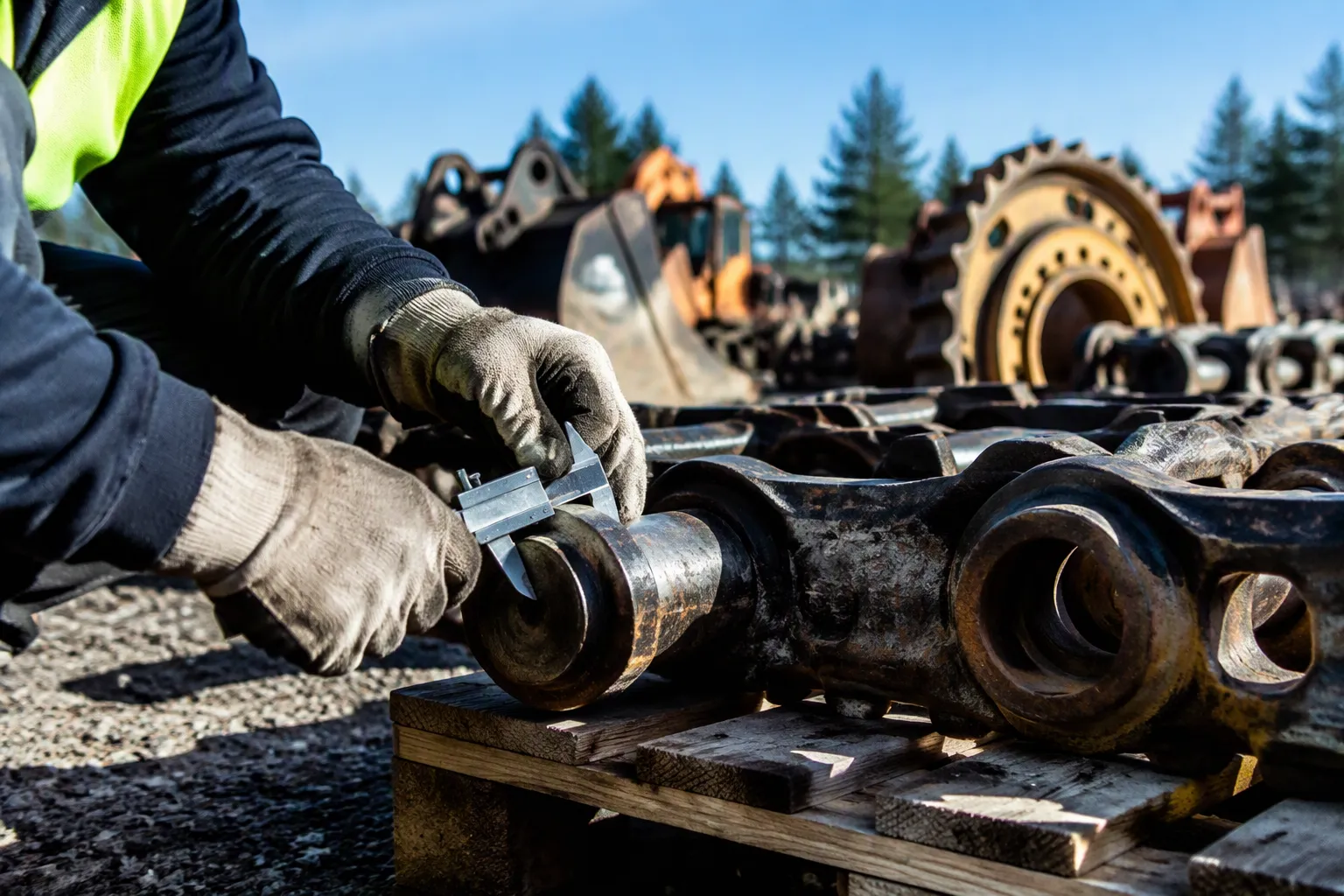
For a hydraulic component, ask what specifications and test conditions were used and request a record tied to that item. For an electrical part, clarify the setup and observed result. For wear components, identify measurement points and compare readings with the maintenance criteria for your machine. Do not apply one generic wear threshold to different components. If no test or report is available, treat the condition as unverified rather than assuming the part passed.
List everything included in the transaction: brackets, seals, fasteners, sensors, harnesses, covers, or related hardware. Separate components included in the price from items shown only for illustration. If the part is incomplete, record what is missing and verify whether those pieces are required for installation and whether their numbers are known.
CONFIRM LOCATION AND PLAN THE HANDOFF
Ask for the Alberta city where the exact component is held, whether it is physically available, and where collection or dispatch would occur. A listing that says only Alberta leaves practical questions unanswered. Confirm that the location refers to the unit shown in the photos and described in the quote. If the part moves or its dispatch point changes, request updated images and a revised delivery plan.
If you inspect in person, arrange access in advance and bring the machine and part identification details, a camera, flashlight, and measuring tools suited to the component. Use safe access. Do not operate equipment or remove covers without permission and appropriate training. Note which checks could not be completed. A technician can help interpret a measurement or test that depends on service information for the specific machine.
For delivery, agree how the part will be packed, which surfaces and connections need protection, who arranges collection, who hands it to the carrier, and who receives it. Request a current delivery estimate for the stated destination, but avoid relying on an unconfirmed date. Confirm how tracking, proof of handoff, delay, damage, or missing packages will be handled.
COMPARE THE FULL COST AND WRITTEN TERMS
Request an itemized quote for the exact part, included pieces, packaging, and delivery to your stated destination. Confirm the currency and identify any additional charges for this transaction. Compare the full amount and condition evidence rather than focusing on the initial price. Keep the quote beside the agreed scope so each item can be checked against the shipment.
Before payment, agree on the inspection period after arrival and how to report a mismatch, damage, missing piece, or undisclosed defect. Clarify what evidence is required, who reviews it, and whether installation or disassembly changes the process. Do not assume that a warranty or return is available unless written terms explain its scope and conditions.
If a return is accepted, write down the deadline, packaging requirements, who arranges and pays for return transport, and how the next decision will be made. Keep the quote, messages, images, delivery record, test documents, and inspection notes together. When the part arrives, compare its number, visible condition, measurements, and included pieces with the written scope. Photograph the item before modifying or installing it, and report any difference within the agreed period.
FREQUENTLY ASKED QUESTIONS
What information helps confirm fitment?
Provide the machine make, full model, complete serial number, configuration, and number from the old component if available. Compare the offered part with information for the correct serial range and relevant specifications.
Does a matching model name guarantee that the used part will fit?
No. Check serial range, revision, configuration, interfaces, dimensions, and included hardware. Ask a qualified source to resolve any mismatch before ordering.
What should I request if I cannot inspect the part in person?
Ask for current photos of the exact item, clear views of labels and interfaces, known-defect details, relevant measurements, included pieces, and any test record tied to that unit.
What should be agreed before arranging delivery from Alberta?
Confirm the dispatch city, packaging, destination, handoff responsibilities, itemized total, inspection period, damage reporting steps, and written return terms.
A used part is easier to assess when its identity, fit, condition, included pieces, location, and transaction terms are recorded together. For additional excavator parts information, contact YNF Machinery through its website.