A “British Columbia” label is a starting point, not a shipping plan. Before you consider used excavator parts listed in BC, confirm the city where the exact item is held, match it to your machine, and document the terms for delivery to your U.S. location. The city, part identity, and handoff plan should refer to the same component throughout the purchase.
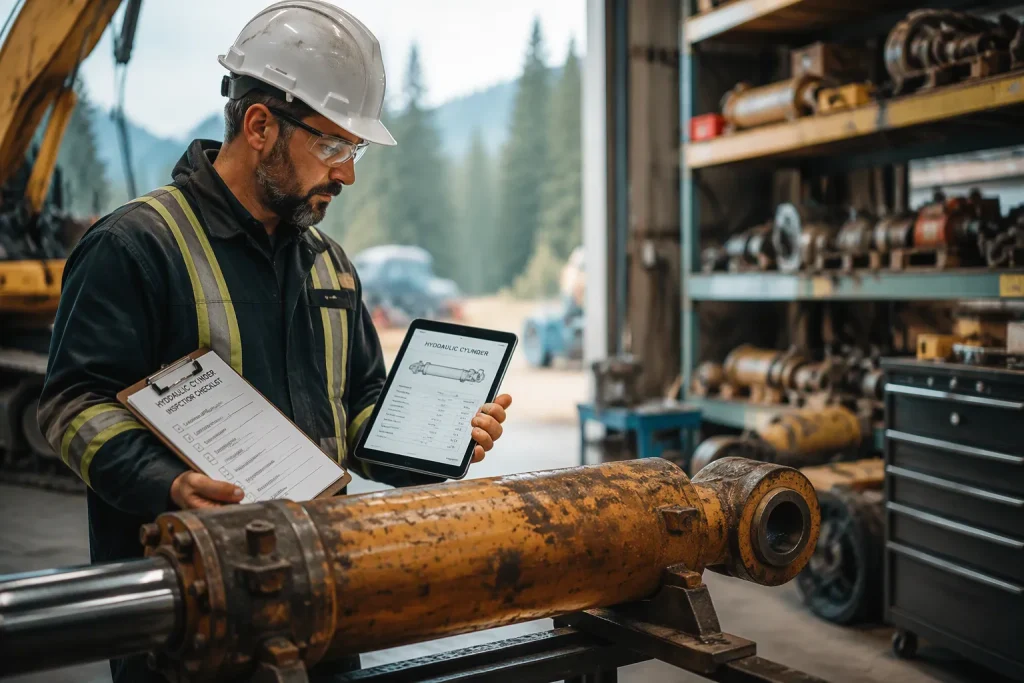
Use this checklist to keep the details organized. Save the machine information, the offered part number, current condition evidence, included pieces, the itemized quote, and the agreed receiving and return steps together. A regional label or photo alone does not prove that the component fits or that it is ready to ship.
KEY TAKEAWAYS
Ask for the city and dispatch location of the exact component, not just a province name.
Match the part number, serial range, configuration, and relevant specifications to your machine.
Request recent photos and condition details tied to the actual item being offered.
List every included component and confirm how the part will be packed and handed off.
Agree on the U.S. destination, freight responsibilities, itemized cost, inspection period, and return process in writing.
CONFIRM THE PART’S LOCATION AND WHO HOLDS IT
Ask where the specific component is physically stored and from which city it will be dispatched or collected. A listing that says BC can leave out details needed to plan pickup or delivery. You do not need an unrelated personal address; ask for the business or dispatch location details needed for a written transport quote. Confirm whether the part is on hand, awaiting inspection, or held elsewhere, and whether the person arranging the transaction can authorize the handoff.
Tie the location confirmation to the exact item by recording its number, description, and current photos. If a listing combines several components, ask which one is available and where that unit is located. If the dispatch city changes, request an updated quote and delivery plan before paying. Keep the agreed origin and destination in the same written record so that later transport details can be checked against them.
MATCH THE PART TO YOUR MACHINE
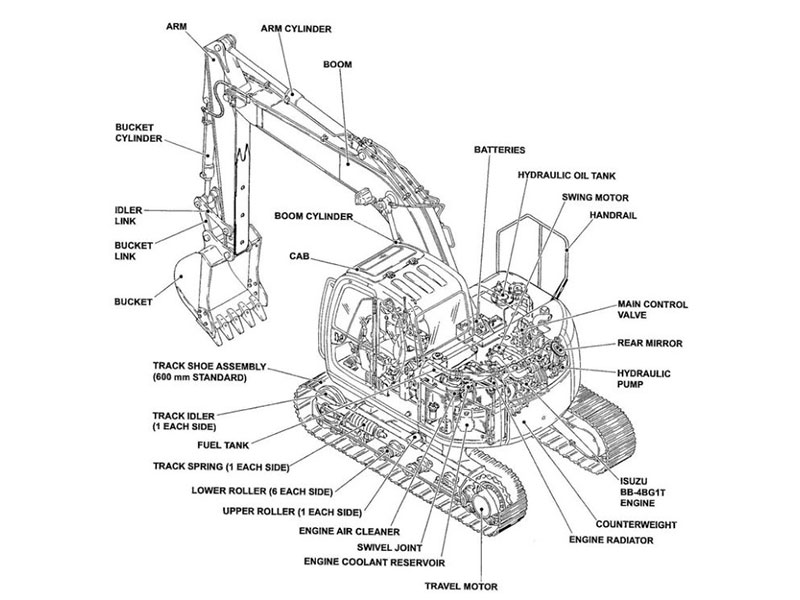
Start with the machine make, full model designation, complete serial number or product identification number, and any configuration that affects the component. Depending on the part, relevant details may include engine, hydraulic arrangement, attachment interface, boom or stick configuration, or undercarriage type. A model name by itself can leave out serial-range or configuration differences.
Ask for the number stamped or labeled on the actual component. Compare it with reliable parts information for your machine’s serial range, and confirm any listed revision or replacement number with a qualified source familiar with the application. A number is useful evidence, but it does not settle every fitment question. Check the interfaces, dimensions, mounting points, connectors, and included hardware that matter to that component. Record unanswered differences and resolve them before arranging the shipment.
If the old part is available, photograph its label and connection points. Note the measurements that affect installation, using specifications appropriate to the part rather than a generic rule. Keep the old part details and offered part details side by side. Do not rely on a broad statement such as “fits the model” when a serial number, revision, or configuration check is still missing.
CHECK CONDITION AND THE INCLUDED PIECES
Request recent images of the exact unit being offered. Useful views depend on the component but can show its number, mounting points, ports, wear surfaces, repairs, corrosion, cracks, or other visible damage. Ask whether any image is representative rather than of the actual part. If so, request item-specific photos before deciding. Keep the image set with the description and quote so all parties are discussing the same unit.
Clarify what “used” means for this item. Ask whether it is complete, disassembled, repaired, missing hardware, or sold as-is. Request a list of known defects and any inspection records that support claims about its condition. If a test is relevant, ask what was tested, when, under what conditions, and whether the record belongs to this unit. Hours or service history should be treated as claims that need records and context, not as proof of future performance.
For wear components, agree on measurement points and record the readings. Compare them with the service information or maintenance criteria that apply to your machine. Avoid relying on one generic percentage for different components. For hydraulic or electrical parts, verify the specifications and test conditions relevant to that assembly. Clear evidence helps you assess what is known and what remains uncertain.
Write an itemized supply scope. List the main component and each included bracket, adapter, fitting, hose, sensor, seal, fastener, or accessory. Clarify whether a pictured subcomponent is included and whether the offer covers a complete assembly or only one piece. Ask for packed dimensions and weight when they affect handling or freight planning. Save these details with the photos and the component number.
AGREE ON DELIVERY AND TOTAL COST
Before accepting the quote, confirm the U.S. destination, dispatch city, pickup or delivery point, packaging responsibility, and who will arrange each transport step. Ask when the item is expected to be ready and who will provide pickup or dispatch details. The listing region does not establish the actual route or which party handles each step, so spell those details out in writing.
Request an itemized total that separates the part price from agreed packaging, handling, and freight charges. Confirm the currency, destination, payment timing, and what event counts as handoff. If the quote depends on final dimensions or a confirmed destination, get the updated total before payment. This checklist does not determine legal, customs, or tax obligations; confirm any requirements for a particular shipment with an appropriate qualified source.
Keep the approved quote and transport instructions together. Ask what evidence is needed if a package arrives incomplete or visibly damaged, who receives the report, and how quickly the concern must be raised under the agreed terms. If a delivery plan changes, get written confirmation of the new responsibility and cost before proceeding.
SET RECEIVING, ACCEPTANCE, AND RETURN TERMS
Ask what inspection is allowed when the component arrives and how long you have to report a mismatch, missing piece, or damage. Clarify whether installation, cleaning, or disassembly changes the agreed inspection process. Do not assume a warranty or return right unless the written terms state it for this transaction.
Write down how to report a concern, what photos or measurements are required, and who evaluates the evidence. If a return is agreed, record who arranges and pays for return transport, required packaging, deadlines, and when the next decision is expected. Replace vague wording such as “returns accepted” with the steps and conditions that apply.
On receipt, compare the part number, visible condition, measurements, and included pieces with the written scope. Record a difference before modifying or installing the part. Preserve the quote, messages, images, delivery record, and inspection notes together. A consistent record makes it easier to explain whether the unit received matches what was agreed.
FREQUENTLY ASKED QUESTIONS
Is a BC listing enough information to arrange delivery?
No. Confirm the actual city where the exact part is held, the dispatch point, destination, packaging, handoff responsibilities, and itemized costs in writing.
What machine information should I provide before asking about fitment?
Provide the make, full model designation, complete serial number, configuration, and the component number or relevant dimensions. Include photos of the machine plate and old component when available.
Does a matching part number guarantee that a used component will fit?
No. Also check serial range, revision, configuration, interfaces, dimensions, and included hardware. The number is one part of verification, not a universal compatibility guarantee.
What evidence should I request about a used part?
Ask for current photos of the exact item, known-defect details, relevant measurements, and test or inspection records tied to that unit. Clarify how and when a test was performed.
What should be settled before payment?
Confirm the component identity, condition, included pieces, dispatch location, itemized total, delivery responsibilities, inspection window, damage-reporting process, and any return terms in writing.
When the machine match, exact part location, condition evidence, included pieces, and delivery terms are all documented, you can compare suitable options with a clearer record. For additional excavator parts information, contact YNF Machinery through its website.