
A listing location is only one part of a used excavator parts purchase. If a component is advertised from Edmonton and you are buying in the United States, verify the exact item, the evidence behind its condition, and the written delivery terms before paying. A familiar machine name or a low asking price does not establish compatibility or condition.
Use this guide to create a simple record for the transaction: machine identification, part identification, item-specific condition evidence, the agreed supply scope, and the handoff terms. Keep copies of messages, photos, measurements, and the final quote together. Confirm any point that affects fitment, freight, or acceptance directly with the counterparty in writing.
Key Takeaways
• Record the excavator make, model, full serial number, and relevant configuration before comparing parts.
• Match the number and specification on the actual component to reliable fitment information for that machine serial range.
• Request recent, item-specific photos and condition details; distinguish observed evidence from a verbal claim.
• Write down dimensions, connections, mounting details, and every item included in the shipment.
• Confirm the handoff point, freight responsibility, complete cost, inspection period, and return process before sending payment.
Identify the Machine and the Exact Part
Start with the machine, not the listing headline. Record the make, model, complete product identification number or serial number, and any configuration details that affect the component. Depending on the part, relevant details may include the engine, hydraulic arrangement, boom or stick configuration, attachment interface, or undercarriage type. Do not assume that two machines with the same model label use identical components.
Ask for a clear photograph of the machine identification plate when the machine details are supplied by another person. Check the characters carefully, including prefixes and suffixes. Then identify the component by its stamped, cast, or labeled part number where available. Compare the number with parts documentation for the machine’s serial range, and verify any replacement or superseded number with a qualified source familiar with that machine. A number match is useful evidence, but it does not replace checking configuration and specifications.
If the listing does not show the number, request a close-up of the actual part before making a decision. Do the same for brackets, fittings, spacers, guards, wiring, or other pieces that may be needed for installation. Keep the machine plate image, component number image, and your fitment notes in one file so there is a clear record of what you asked for and what was offered.
Review Condition Evidence for the Specific Item
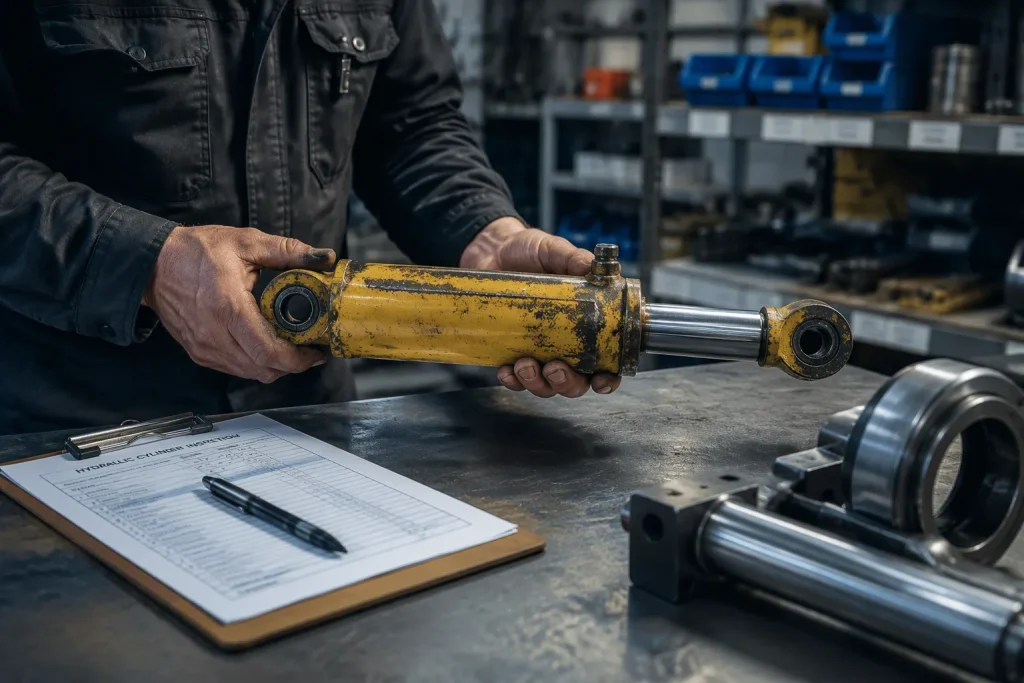
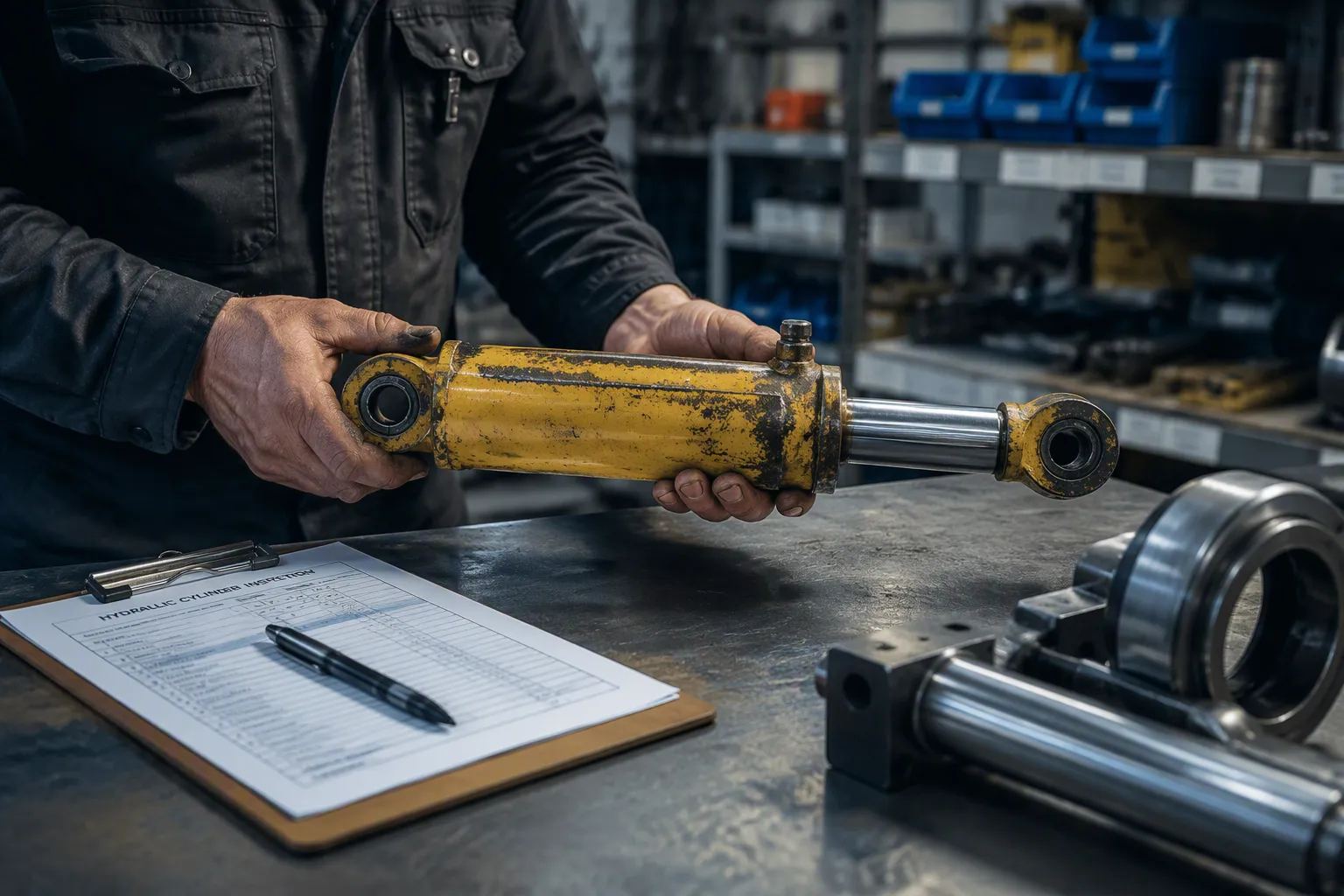
Ask for current photographs of the exact component being offered, not a representative image of a similar part. Useful views depend on the component but may include its identification mark, mating surfaces, ports, mounting points, visible wear, cracks, corrosion, repairs, or damage. Request that the images be tied to the item by a date or other agreed identifier. If operating or test evidence is relevant, ask what was tested, when, under what conditions, and whether the record belongs to this specific unit.
Describe the condition in observable terms. “Used” can cover a wide range of histories, so clarify whether the item is complete, disassembled, repaired, missing hardware, or sold as-is. Ask for known defects and for any inspection notes that support condition statements. Treat hours, service history, test results, and remaining life as claims that need records and context; do not infer them from appearance alone.
For wear parts, request measurements at agreed locations and ask how they were taken. Compare those figures with the appropriate service information or your maintenance criteria rather than relying on a generic percentage. For hydraulic or electrical components, identify the applicable test and its limitations. A short video or an inspection report can add context, but neither proves that the part will fit your machine or perform as expected after installation.
Confirm Dimensions and Included Components
Even when the part number appears to match, compare the dimensions and interfaces that matter for the application. Depending on the component, this could mean overall length and width, bore or shaft size, bolt pattern, port type, connector, orientation, mounting points, or tooth and link dimensions. Use specifications or measurements that apply to the exact machine and part. If a critical value is missing or unclear, resolve it before shipment.
Write an itemized supply scope. List the main component and each included bracket, hose, seal, fastener, sensor, adapter, or accessory. State whether loose items are packed with the main unit and whether any pictured pieces are excluded. This avoids a common misunderstanding in which a photograph shows a complete assembly but the written offer covers only one portion of it.
Ask for the packed dimensions and weight when they affect the delivery plan or quote. Keep the measurements and included-item list with the photos. On arrival, compare the shipment against the written scope and record any visible difference before installation or modification. If the part is damaged in transit, preserve the packaging and document the condition promptly according to the agreed process.
Agree on Handoff and Total Cost in Writing
Because the listing is located in Edmonton, establish exactly where the item will be collected or delivered and who is responsible for arranging each transport step. Ask for the named handoff point, the expected dispatch window, packaging details, and the person responsible for providing tracking or pickup information. For a U.S. destination, ask the parties handling the transaction to state which freight and delivery arrangements are included. Do not rely on an assumption based on the listing location.
Request a written, itemized total that separates the part price from packaging, handling, freight, and any other charges that apply to the agreed route. Confirm the delivery address, currency, payment timing, and what event counts as handoff. If a quote changes when the destination or dimensions are confirmed, ask for the revised amount before paying. This guide does not determine customs, tax, or legal obligations; obtain any required advice from the relevant qualified source for your shipment.
Keep the approved quote and transport instructions in the same record as the part details. Confirm whether the shipment is insured, who submits a damage claim, and what evidence is needed if the package arrives incomplete or damaged. The written terms should make the next step clear to both sides without relying on an informal phone conversation.
Set Acceptance, Return, and Dispute Terms Before Payment
Ask what inspection is allowed when the item arrives, how long you have to report a mismatch or damage, and what condition the part must remain in while a concern is reviewed. Clarify whether installation, cleaning, or disassembly affects the available return process. Do not assume that a used component has a particular warranty or return right unless that term is stated in the agreement.
Write down the process for reporting a problem: the contact method, time limit, required photos or measurements, and how the parties will decide whether the delivered item matches the description. If a return is agreed, record who arranges and pays for return transport, what packaging is required, and when any refund or replacement decision will be made. Avoid vague wording such as “returns accepted” without the steps and conditions.
Frequently Asked Questions
What information should I collect before asking about a used part?
Record the machine make, model, full serial number, configuration, and the component number or relevant dimensions. This gives the other party enough detail to check the proposed item against the actual machine.
Does a matching part number guarantee fitment?
No. Verify the serial range, configuration, revisions, interfaces, and included hardware as well. A number is one part of the check, not a universal fitment guarantee.
What condition evidence is useful for a used component?
Request recent images of the exact item, visible identification marks, known defects, and measurements or test records that are relevant to that component. Ask when and how any test was performed, and keep the evidence with the written description.
What should a delivery quote state?
It should identify the destination and handoff point, transport responsibilities, itemized charges, packaging details, dispatch expectations, and the process for reporting transit damage or a missing item.
Can I rely on a general return statement?
Ask for the time limit, inspection conditions, required evidence, return transport responsibility, and decision process in writing. Confirm these details before payment because the terms can vary by transaction.
When you have verified the machine and component details, documented the item’s condition, and agreed on the full supply and delivery terms, you can compare suitable options with a clearer record. For additional excavator parts information, contact YNF Machinery through its website.



