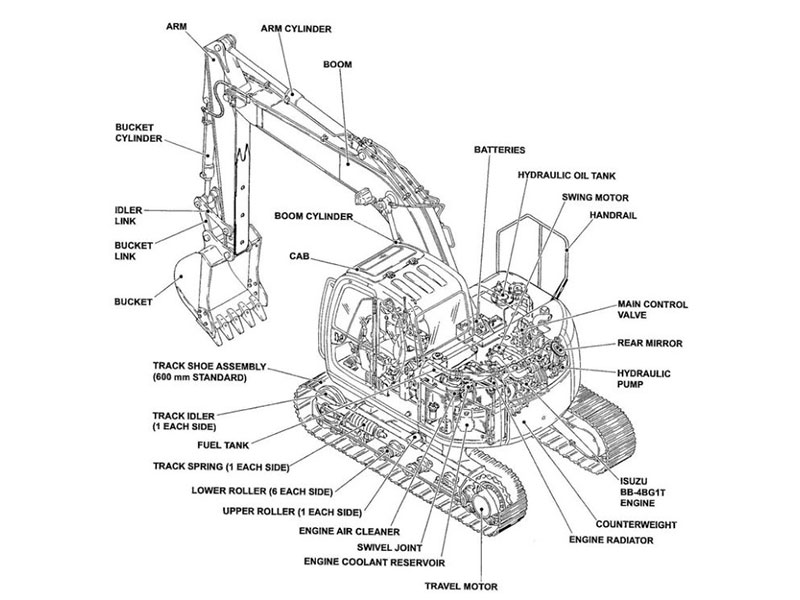
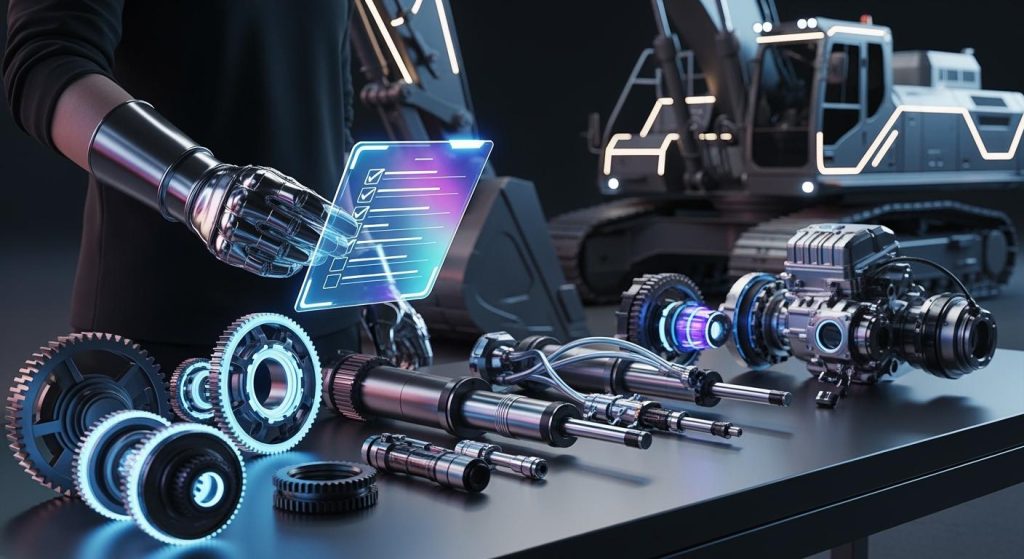
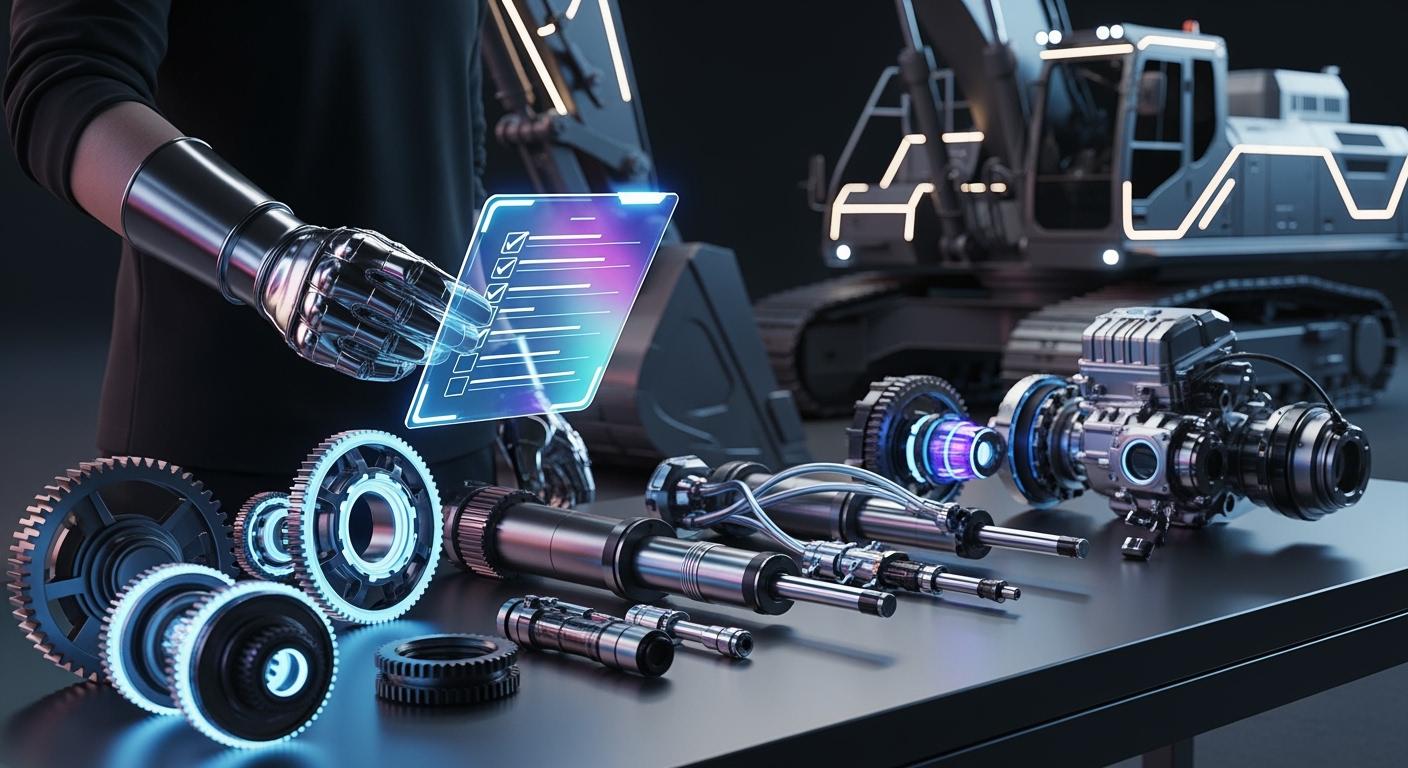
To pick the best construction machinery parts, you should look at compatibility, quality, supplier reliability, and cost. First, know your equipment’s make, model, and serial number. If you use the wrong part, your machine may not last long. It can also break down suddenly. Fake or bad parts can cause expensive downtime. For example, using a small excavator for heavy digging can hurt your equipment. Using a regular bucket for rock work can also cause damage. Making smart choices helps protect your investment. It also keeps your machine working well. Always follow clear steps to pick the right parts.
Key Takeaways
Find out your equipment’s make, model, and serial number first. This helps you pick the right parts. It stops you from making expensive mistakes.
Think about where and how you use your machinery. Tough places need stronger parts. Strong parts help your machine last longer and work well.
Decide if you want OEM or aftermarket parts. OEM parts are dependable. Aftermarket parts cost less but may not be as good.
Check parts for quality before you put them in. Look for any problems or damage. Make sure they are safe to use. This helps prevent accidents.
Pick a supplier you can trust, like YNF Machinery. Good suppliers give you strong parts. They send parts quickly. They also help you when you need it.
Identify Your Construction Equipment Needs
Machine Model and Serial Number
You must know your equipment’s make, model, and serial number before buying parts. These details help you pick the right part for your machine. Makers sometimes change machines while making them. This can cause serial number breaks. A serial number break means parts for one machine might not fit another, even if they look alike. Always check your serial number and match it with the part’s list. Doing this helps you avoid expensive mistakes and keeps your machine working well.
Usage and Environment
Think about how you use your equipment and where you use it. Machines in tough places need stronger parts. Dust, mud, and water can wear out filters, hoses, and undercarriage parts faster. Here are some parts that need to be changed often:
Filters (air, fuel, hydraulic, and oil)
Ground engaging tools (GET)
Hydraulic hoses and seals
Tires and tracks
Batteries
Belts and hoses
Undercarriage components
Tip: If you keep track of how much you use your machine and what jobs it does, you can plan repairs better. Real-time data helps you find problems early and change parts before they break.
The environment also changes how long parts last. The table below shows how different conditions affect your equipment:
Environmental Factor | Impact on Durability |
|---|---|
Aggressive atmospheric conditions | Materials and structures break down faster |
Moisture absorption | Mechanical properties get weaker |
Extreme temperatures | Parts wear out more quickly |
Performance Requirements
Every project needs something different. You have to match your equipment parts to the job. Some jobs need more power and speed. Others need accuracy or strong parts. The Owner’s Project Requirements (OPR) document helps you know what your equipment should do. This document talks about things like environmental goals, community needs, and how well your machine should work. When you know what your project needs, you can pick parts that help your equipment do its best.
Choose the Right Construction Machinery Parts
Compatibility and Fit
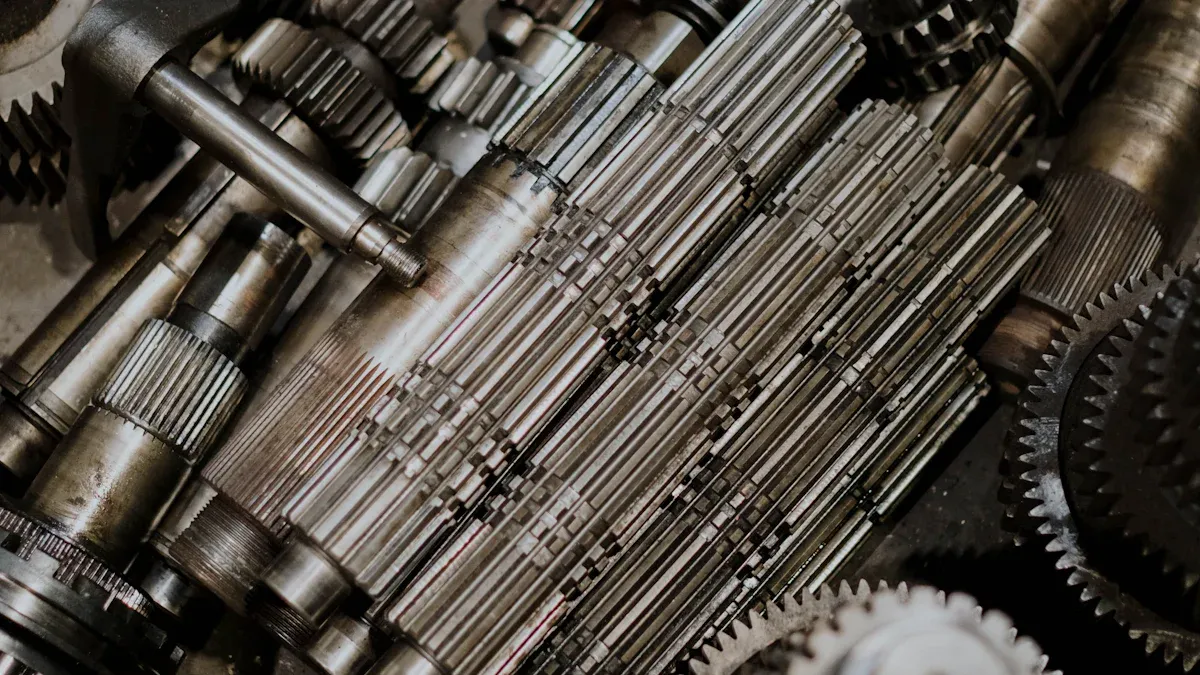
It is important that each part fits your machine. Always check if the part works with your equipment before buying. Using the wrong part can make your machine stop working or break. Match the serial number and part code to your machine’s details. Look for real packaging, labels, and markings. These things show the part is good quality. If you are not sure, ask an expert for help. Here are some steps to check if a part fits:
Make sure the part is real OEM or good aftermarket.
Look at the packaging, labels, and markings to see if they are real.
Match the serial number or part code to your machine.
Check the manufacturer part number with your machine model.
Look for damage and check the weight, size, and shape.
If you do these steps, you will be less likely to buy the wrong part.
OEM vs Aftermarket Options
When you buy construction machinery parts, you can pick OEM or aftermarket. OEM parts are made by the same company as your machine. Aftermarket parts are made by other companies. Both choices have good and bad points. The table below shows how they are different:
Feature | OEM Parts | Aftermarket Parts |
|---|---|---|
Quality Control | Made with strict rules so materials are always strong. | Quality is not always the same; some are as good as OEM, but some use cheaper stuff. |
Reliability | Very reliable because they are tested a lot and follow factory rules. | Reliability is not always the same; some brands work well, but cheap ones may break faster. |
Warranty Coverage | Usually have a warranty from the maker for a year or more. | Warranty is different for each brand; some have short warranties, and some have none. |
OEM parts cost more, but they are more reliable and have better warranties. Aftermarket parts can be cheaper, but you need to check their quality and warranty. Some aftermarket brands make great parts, but others do not last long. Always look at your choices and pick what works for your needs and money.
Inspecting Parts Quality
You should always look at construction machinery parts before putting them on your machine. Good quality is important because bad parts can break your machine or cause accidents. Check for problems in how the part looks, its shape, and how it works. The table below shows some problems you might see:
Category | Common Defects |
|---|---|
Appearance | Surface problems, color that does not match, burns, marks, haze, dents, lines, extra material, rough spots |
Conformance to Specifications | Important details, how many are bad, weight, strength, how hard it is, what it is made of, if it rusts, tests, packaging and labels |
Form, Fit, & Function | Shape, fit, and how the part works, making sure it matches the design and works right |
Safety & Regulatory | Sharp edges, places you can get pinched, weight, X-Ray checks for safety |
Tip: Use tools like telematics to watch how parts work and when they need fixing. Real-time data helps you find problems early and plan when to change parts.
You should also check if the parts are safe and follow the rules. If you see any problems, do not use the part. Send it back and ask for a new one. Checking parts helps keep your machine safe and working well.
Evaluate Construction Equipment Parts Suppliers
Picking the right supplier keeps your machines safe. It also helps your projects go well. You should check if the supplier is reliable. You also need to look at how fast they deliver and if they help customers. YNF Machinery is a trusted supplier for these parts. Here is what you should look for.
Supplier Reliability
Good suppliers help you avoid mistakes and machine stops. You want a supplier who gives you good parts every time. YNF Machinery checks their parts with strong quality rules. They watch for problems and listen to customers. This helps them give you the best parts. When you check suppliers, look at these things:
Quality should be 35-40% of your choice.
Delivery should be 25-30%.
Cost should be 20-25%.
Delivery means parts come on time and fast.
Quality means few bad parts and happy customers.
YNF Machinery does well in these areas. They work closely with makers. This makes their parts better and more steady. You can trust them to give you the right parts for your machines.
Tip: Ask makers or trusted dealers like YNF Machinery for help. They can help you pick the right parts and avoid mistakes.
Availability and Delivery
If you cannot get parts, your work may stop. YNF Machinery has many parts in stock and ships them fast. This helps you keep working and not wait for parts.
Getting parts on time is very important. If parts come late, your team may have to wait. In the last few years, some parts like steel and wood take longer to arrive. They used to take 2-4 weeks. Now, they can take 12-16 weeks. Waiting too long can cost more money and make workers wait. YNF Machinery works hard to get parts to you on time. They have good partners and keep their shelves full.
Here are ways good partners help with parts:
They make parts better and more steady.
They talk well and trust each other.
They help stop problems when things go wrong.
YNF Machinery uses these ways to make sure you get parts when you need them.
Customer Support
Good customer support helps you fix problems fast. YNF Machinery gives great service after you buy. Their prices are fair. They have many happy customers and good reviews.
Look for these things in customer support:
Good machines and fair prices
Great help after you buy
Happy customers and good reviews
Clear answers and easy talk
Experts who give good advice
Fast help for big or hard orders
YNF Machinery talks clearly and gives smart advice. Their team helps with fast or tricky orders. You can trust them before and after you buy.
Note: Working with a good supplier like YNF Machinery helps you work better and stop machine breaks. Good parts mean your machines last longer and break less.
If you pick YNF Machinery, you get good parts, fast shipping, and strong help. This keeps your machines working and your jobs on time.
Cost and Value of Construction Equipment Parts
Upfront Price vs Long-Term Savings
When you pick construction machinery parts, do not just look at the price. It is important to think about what you get for your money. Good parts might cost more at first, but they help you save later. Cheap parts may look like a good deal, but they break faster and stop your work more often. The table below shows how good parts and cheap parts are different:
Aspect | High-Quality Parts | Cheaper Parts |
|---|---|---|
Initial Cost | Higher upfront cost | Lower upfront expense |
Durability | Enhanced durability, less frequent repairs | Higher frequency of replacement |
Energy Efficiency | Improved energy efficiency | Reduced efficiency |
Downtime | Reduced downtime, reliable performance | Increased downtime due to breakdowns |
Long-Term Savings | Significant long-term savings | Higher long-term costs |
Buying better parts helps you save money in the end. You will not spend as much fixing your machines or waiting for repairs.
Maintenance and Replacement Costs
You should plan for regular maintenance and new parts in your budget. If you do not keep track, these costs can get high fast. Here is a table with common costs for different types of care:
Cost Type | Estimated Cost Range |
|---|---|
Preventive Maintenance | $4,000 – $6,000 per year |
Repairs (minor fixes) | $500 – $5,000 |
Major Overhauls | $30,000+ |
Annual Maintenance (as % of purchase price) | ~15% of purchase price |
If you update your budget often, you will not be surprised by big bills. This also helps your machines stay in good shape.
Budget Considerations
You need a good plan to handle your equipment part costs. Try these ideas to help you spend wisely:
Plan early and check your needs so you do not spend too much.
Watch your spending and compare it to your plan. Fix problems quickly.
Make your budget flexible. Save some extra money for surprises and check your budget often.
Tip: Look at your budget every month. This helps you find problems early and keep your project going well.
A strong budget helps you make smart choices. You can keep your machines working and finish your jobs on time.
Final Selection Checklist
Decision Points
You should make smart choices when buying parts. First, look at what your project needs. Think about the job and how the part fits your machine. Use a checklist to compare your choices. Many experts say a decision table helps you see good and bad points. It shows if renting or buying is better for your project.
Factor | Rental | Purchase |
|---|---|---|
Initial Cost | Low | High |
Maintenance | Often included | Owner’s responsibility |
Flexibility | High | Lower |
Depreciation | Not applicable | Asset value decreases |
Access to Latest Tech | Easy | Dependent on purchase cycles |
Check if the part works with different attachments. See what fuel it uses. Look for new technology in the part. These things help you pick the best part for your job.
Tip: Always check if the seller is trusted. Make sure the part fits your machine. Look at the part before you buy it.
Expert Consultation
Talking to experts helps you avoid mistakes. Professionals know what each machine needs. They can find hidden problems. Experts help you see if the part matches your project. Some people forget to ask for advice and get the wrong part. Experts also help you check maintenance records. They make sure you do not miss anything important.
Ask about the part’s past use.
Get tips on the best brands.
Check if the part meets all your project needs.
Planning for Maintenance
You need to plan regular care to stop downtime. Routine maintenance keeps your equipment safe and working well. Follow these steps:
Make a schedule for preventive maintenance.
Use data to guess when parts might break.
Watch your equipment in real time for problems.
Write down all maintenance jobs and how often you do them.
Studies show regular care can lower repair costs by 25%. Always think about weather and site conditions. Wet or salty places need extra care to stop rust. Good planning helps you meet all needs and keeps your machines ready for work.
You can keep your equipment safe by picking parts that fit well. Make sure the parts are good quality and come from trusted suppliers. They work hard to build strong connections and give good service for a long time. Customers like fast delivery and friendly help. They also want buying to be simple.
Good suppliers send parts quickly and give support
Working with the same supplier helps you get better service and fewer problems
Be ready and ask experts for help. Make smart choices so your machines work well and your money is safe.
FAQ
What information do you need before buying construction machinery parts?
You need to know your machine’s make, model, and serial number. These details help you pick the right part. You can find this information in the owner’s manual or on the machine plate.
How do you know if a part is compatible with your equipment?
Check if the part number and serial number match your machine. If you are not sure, ask your supplier for help. Always look at the manufacturer’s guide to be certain.
Should you choose OEM or aftermarket parts?
OEM parts are usually higher quality and more reliable. Aftermarket parts can cost less money. Compare the warranties and read reviews before you choose. Pick what works best for your needs and budget.
How can you spot a low-quality part?
Check if the packaging looks bad or if labels are missing. Look for rough spots, dents, or colors that seem wrong. Ask your supplier about how they check quality. Only use parts that pass inspection.
What should you do if a part fails soon after installation?
Call your supplier as soon as you can. Give them your purchase details and send photos. Ask if the part is covered by warranty. Good suppliers will help you fix the problem fast.