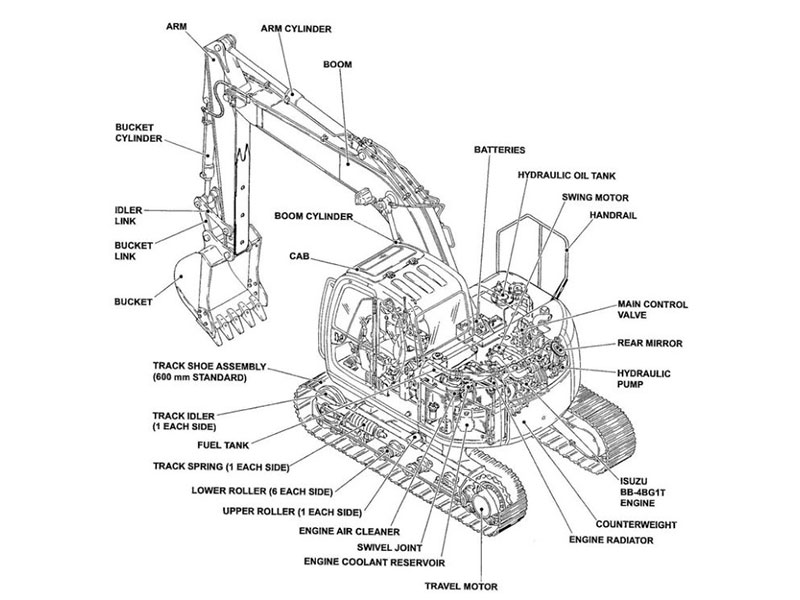
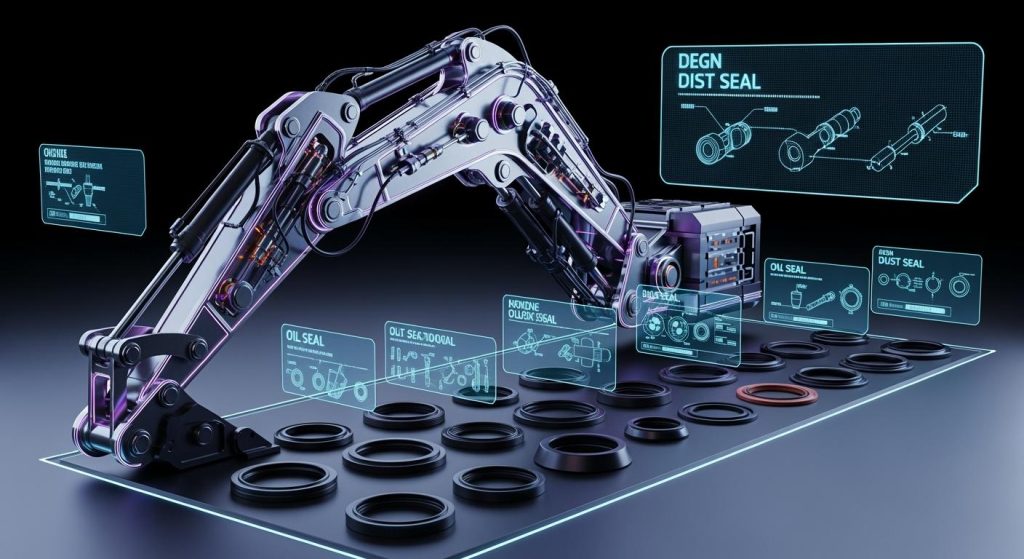
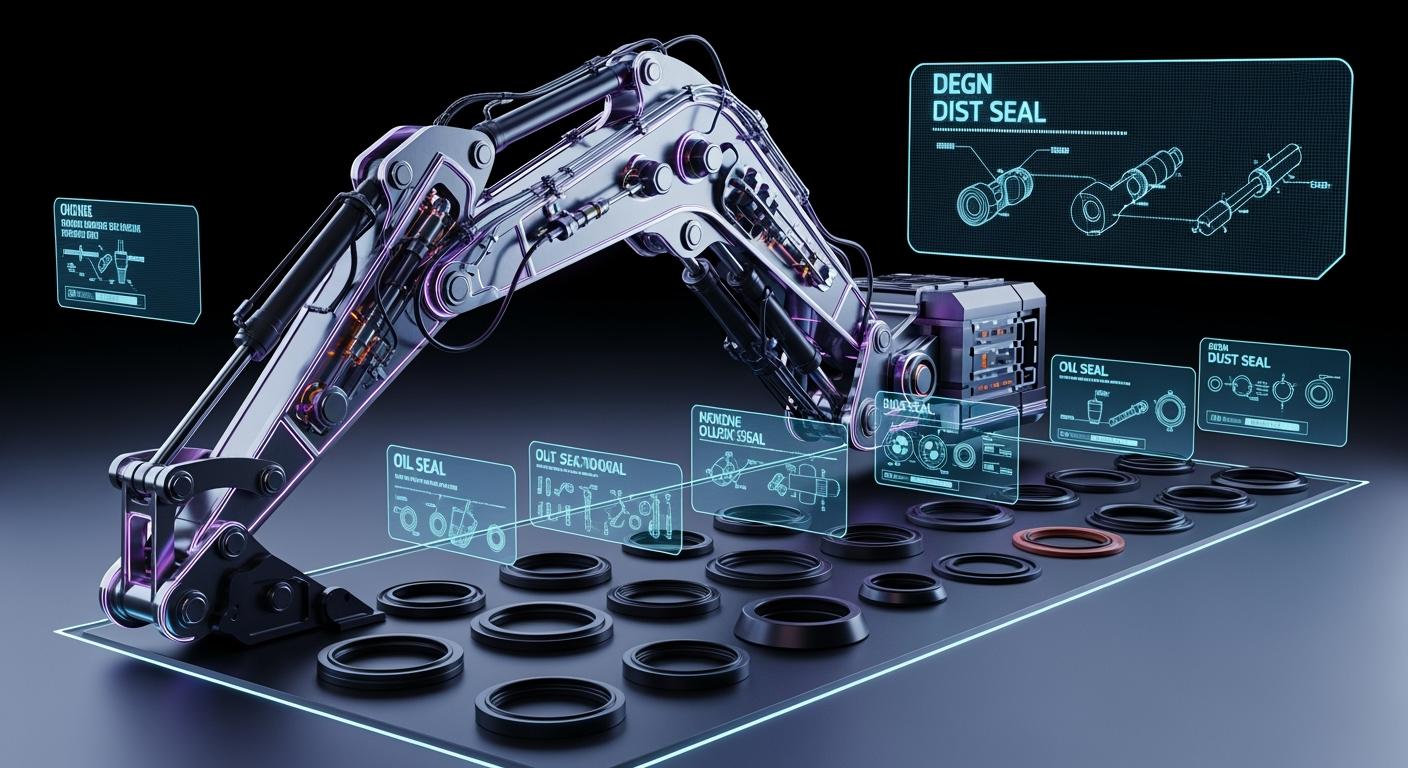
You will find several main types of seals for excavator parts. These include oil seals, O-rings, piston seals, rod seals, wiper seals, and guide rings. Oil seals stop hydraulic oil from leaking and keep the system working under high pressure. O-rings connect hydraulic components and block fluid movement. Piston seals and rod seals control the flow inside cylinders. Wiper seals keep dirt out, and guide rings help parts move smoothly. Using the right seals for excavator parts stops leaks, blocks harmful dirt, and prevents breakdowns that can lead to costly downtime.
Key Takeaways
-
Learn about the main types of seals for excavator parts. These include oil seals, O-rings, piston seals, rod seals, wiper seals, and guide rings. Each type helps stop leaks and keeps your machine safe.
-
Pick the right seal material for your excavator. You can choose from nitrile, polyurethane, or silicone. Each material has its own good points. The right choice makes your seals last longer and work well in different situations.
-
Check your seals often and take care of them. Watch for damage or leaks. If you see problems, change the seals quickly. This can stop big repairs and help your excavator work better.
-
Use seals from trusted brands like YNF Machinery. Good seals last longer and help prevent breakdowns. This saves you time and money on fixing your machine.
-
Follow the maker’s rules for seal size and how to put them in. Getting the right fit is important for sealing and making your excavator work its best.
Types of Seals for Excavator Parts
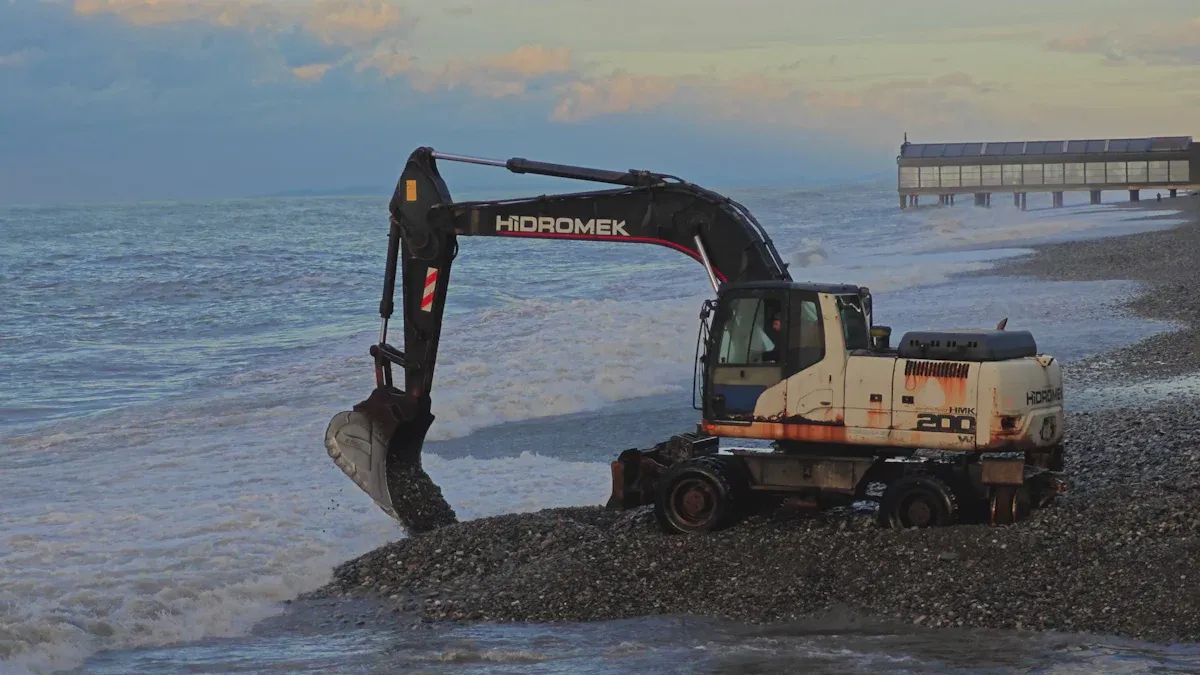
When you use excavators, you need several important seals for excavator parts. Each seal has a special job. These jobs help your machine work well and stay safe from damage. Here are the main types you will see in excavator systems.
Oil Seals
Oil seals are very important in hydraulic systems. They make a barrier that keeps hydraulic oil inside the cylinder. Oil seals also stop dirt, dust, and water from getting in. This helps keep pressure steady and stops leaks. That is important for your excavator to work safely and well. Most oil seals have a strong rubber part, a metal case, and a garter spring. The garter spring keeps the seal tight on the shaft.
There are different oil seal designs. Some are single lip, double lip, or dual spring seals. Each design has its own benefits. Some give extra dirt protection. Others work better under high pressure. PTFE oil seals are good for tough places. They resist chemicals and have low friction.
Tip: YNF Machinery’s Hydraulic Oil Seals are strong and stop leaks. They use good materials like rubber, silicone, and polyurethane. These seals for excavator parts last a long time, even in hard jobs. They help you avoid expensive downtime.
O-Rings
O-rings are simple but very important seals for excavator parts. You use them to connect hydraulic parts and block fluid from moving between them. O-rings fit into grooves and get squeezed to make a tight seal. They come in many sizes. Their thickness can be from 0.040 inches to 0.275 inches. The AS568 standard covers most O-ring sizes for hydraulic systems.
O-rings are made from materials like HNBR and NBR. HNBR O-rings work in temperatures from -45 °C to 165 °C. They also resist oil and fuel. NBR O-rings are good with oil and do not wear out fast. Picking the right material helps O-rings last longer and work better.
Piston Seals
Piston seals control how the piston moves inside the hydraulic cylinder. This seal keeps high-pressure and low-pressure areas apart. It stops fluid from leaking past the piston. Piston seals help your excavator’s arms and tools move smoothly and with power.
You can get piston seals made from NBR, PTFE, and polyurethane. NBR is good with oil. PTFE has low friction and resists chemicals. Polyurethane piston seals are slippery and handle high pressure. They are great for tough jobs.
Rod Seals
Rod seals stop hydraulic fluid from leaking out when the piston rod moves. This seal keeps the system pressurized. It also blocks dirt and water. Rod seals are very important for your excavator’s moving parts to work well.
Rod seals often have a slanted lip or an extra sealing lip for more strength. Most rod seals are made from tough polyurethane. This material can handle heavy use. Sometimes, rod seals are used with wipers and buffer seals for more protection.
Wiper Seals
Wiper seals, also called scraper seals, keep dirt out of the hydraulic system. When the piston rod goes back in, wiper seals clean off dirt, dust, chips, and water. This protects important parts and makes them last longer.
You should check and change wiper seals often. This helps you avoid breakdowns and big repair bills. Wiper seals keep dirt out. This helps other seals for excavator parts and the whole hydraulic system last longer.
Guide Rings
Guide rings, or wear rings, keep the piston and rod straight inside the cylinder. This seal stops metal parts from touching each other. That lowers friction and wear. Guide rings give a smooth surface and spread out forces. This helps your excavator work better.
Guide rings are made from materials like TPI and phenolic fabric. TPI wear rings have low friction and work in very hot or cold places. This means less downtime and lower repair costs. Guide rings help seals for excavator parts and make the hydraulic system work well.
Note: Picking the right seals for excavator parts keeps your machine working well and safely. YNF Machinery has many seals, like oil seals, O-rings, piston seals, rod seals, wiper seals, and guide rings. They are all made to last a long time.
Functions of Excavator Seals
Preventing Leaks
Excavator seals keep hydraulic fluid inside the system. They stop leaks, even when the machine works under high pressure. Good seals are made from nitrile, polyurethane, or fluorocarbon. These materials can handle strong chemicals and hot or cold weather. Some seals have special designs to last longer. They do not break when pressure changes quickly. If you use weak seals, your machine might leak. This can make your excavator stop working. Seal problems cause about 18% of all hydraulic failures in excavators. You can trust good excavator seals from YNF Machinery. They help your machine run well.
-
Seals made from tough materials stop leaks.
-
Special designs help seals handle pressure spikes.
-
Double-lipped seals give extra safety.
Blocking Contaminants
Excavator seals do more than stop leaks. They also block dirt, dust, and water from getting in. Keeping out these things protects the inside parts from damage. If dirt or metal bits get inside, they can jam valves or scratch moving parts. This can make your excavator stop or cause safety problems. You should check your seals often and change them if they look worn. Clean seals help your machine last longer and work better.
Tip: Always use the right seal for each part. This keeps out bad particles and moisture.
Extending Equipment Life
Using the right excavator seals helps your machine last longer. Good seals keep pressure steady and block harmful dirt. This means rods, pistons, and other parts do not wear out fast. Good seals also work well in tough jobs, high heat, and strong shaking. They protect the hydraulic system and make it last longer. You save money on repairs and downtime. Seal kits from YNF Machinery fit well and protect your excavator. You get more work done and your equipment stays in good shape.
-
Seal kits keep pressure strong and block dirt.
-
Good seals make parts last longer and reduce wear.
-
Using the right seals helps your excavator last longer.
Materials and Sizing for Excavator Seals
Common Materials
It is important to pick the right material for each seal. The material you choose changes how well the seal works. It also affects how long the seal will last. Most seals in hydraulic systems use rubber, silicone, or polyurethane. Each one is good for different jobs.
Here is a table that shows how common materials compare:
|
Material |
Chemical Resistance |
Notes |
|---|---|---|
|
Nitrile Rubber |
Moderate |
Commonly used for oil seals. |
|
Viton |
Excellent |
Highly resistant to chemicals. |
|
EPDM |
Good |
Suitable for water and steam. |
Polyurethane is strong and works well for hard jobs. Silicone can handle very hot temperatures. Nitrile rubber is a good pick for oil seals. Viton can stand up to strong chemicals. EPDM is best when you need to seal water or steam. YNF Machinery uses these good materials in their hydraulic oil seals. This helps your excavator work well in tough places.
Tip: If you know about chemical compatibility, you can pick the right seal for your hydraulic system.
Sizing and Fit
You need to use the right size seal for your machine. If the seal is too small or too big, it will not work. Always check the manufacturer’s guide for the right size. Most hydraulic seals are made to fit industry standards.
|
Aspect |
Details |
|---|---|
|
Types of Seals |
Oil seals, O-rings, shaft seals, gasket seals, etc. |
|
Material Considerations |
Fluororubber, chloroprene rubber, polyurethane, etc., chosen for durability and adaptability. |
|
Size and Compatibility |
Must match the hydraulic system interface; refer to manufacturer specifications for accuracy. |
|
Quality and Certification |
Look for ISO quality certification for reliability and performance assurance. |
YNF Machinery has hydraulic oil seals in many sizes. You can find the size that fits your machine.
Environmental Factors
Seals have to deal with many hard things in hydraulic systems. High heat, cold, and pressure can change how a seal works. You should pick a material that matches where you will use your machine.
|
Environmental Factor |
Material Type |
Tolerance Details |
|---|---|---|
|
High Temperature |
Fluoroelastomers (FKM), Inconel |
Can withstand temperatures exceeding 250°C (482°F) |
|
Low Temperature |
Silicone rubber, Fluoro silicone |
Remain flexible down to -70°C (-94°F) |
|
High Pressure |
Metal seals (stainless steel, Inconel) |
Designed to handle extreme pressures without deformation |
You should always think about where your excavator will be used. YNF Machinery’s hydraulic oil seals use special compounds. These seals keep working even in very hard conditions.
Choosing Excavator Seals with YNF Machinery
Matching Seal to Application
Picking the right seal helps your excavator work well. Every excavator is different. The size, brand, and job all matter. When you pick seals, think about these things:
-
Compatibility: The seal kit must fit your excavator’s hydraulic cylinder.
-
Material: Choose seals that work with your hydraulic fluid. Make sure they can handle the heat and pressure.
-
Quality: Good seals last longer and help your machine work better.
-
Brand Reputation: Buy seals from a trusted company like YNF Machinery.
-
Cylinder Dimensions: Measure the bore, rod, and seal groove.
-
Seal Type: Use the right seal for your excavator’s cylinder.
-
Manufacturer Specifications: Check your manual or ask the maker for help.
YNF Machinery has many seals for all kinds of excavators. You can get piston seal kits, rod seal kits, wiper seal kits, and wear rings. These come in different materials. This helps you find the best fit for your machine.
Maintenance Tips
Taking care of seals helps your excavator last longer. Here are some simple tips:
-
Check seals often for leaks or damage.
-
Keep the area around seals clean from dirt and dust.
-
Change seals right away if you see damage.
-
Use the correct tools when putting in new seals.
-
Follow the maintenance plan in your manual.
If you use strong seals from YNF Machinery, you will have less downtime. You can also avoid big repair bills. Good care keeps your excavator working every day.
YNF Machinery Support
YNF Machinery helps you pick the right seals for any job. You get expert advice and many products to choose from. Here is what you get:
|
Feature |
Description |
|---|---|
|
Product Range |
Hydraulic seal kits, piston seals, rod seals, wiper seals, wear rings |
|
Application |
Fits many excavator brands and models |
|
Support |
Expert help with picking, installing, and fixing seals |
|
Quality |
Seals made from strong materials for long life |
|
Custom Options |
Special seals for unique excavator needs |
You can trust YNF Machinery to give you seals that fit your excavator. The team helps you from start to finish. You always get good service and quality parts for your machine.
Tip: Ask YNF Machinery for help picking the best seals for your excavator. The right seal means your machine works better and breaks down less.
You need the right seals for excavator parts. This helps your machine work well every day. Oil seals, O-rings, piston seals, rod seals, wiper seals, and guide rings all protect your equipment. Picking strong seals, like YNF Machinery’s Hydraulic Oil Seals, makes your machine work better and last longer. If you ask the experts at YNF Machinery, you get:
-
Seal kits that help stop dirt and water
-
Tough materials that do not break easily
-
Careful checks to make sure seals are good
Contact YNF Machinery if you need help with excavator seals.
FAQ
What is the most common seal used in excavators?
You will find oil seals as the most common type. They keep hydraulic oil inside and block dirt. Oil seals help your excavator work safely and last longer.
How do I know when to replace excavator seals?
Look for leaks, dirt buildup, or worn edges. If you see oil outside the cylinder or dirt inside, you should replace the seals soon.
Can I use any seal for my excavator?
No, you need the right size and material for your machine. Always check your manual or ask YNF Machinery for help. The wrong seal can cause leaks or damage.
Why should I choose YNF Machinery for excavator seals?
YNF Machinery offers strong, high-quality seals. You get expert advice, many options, and fast support. Their seals fit many excavator brands and last a long time.
How do I order seals from YNF Machinery?
You can visit YNF Machinery’s website or contact their team by email or WhatsApp. They help you pick the right seal and answer your questions.