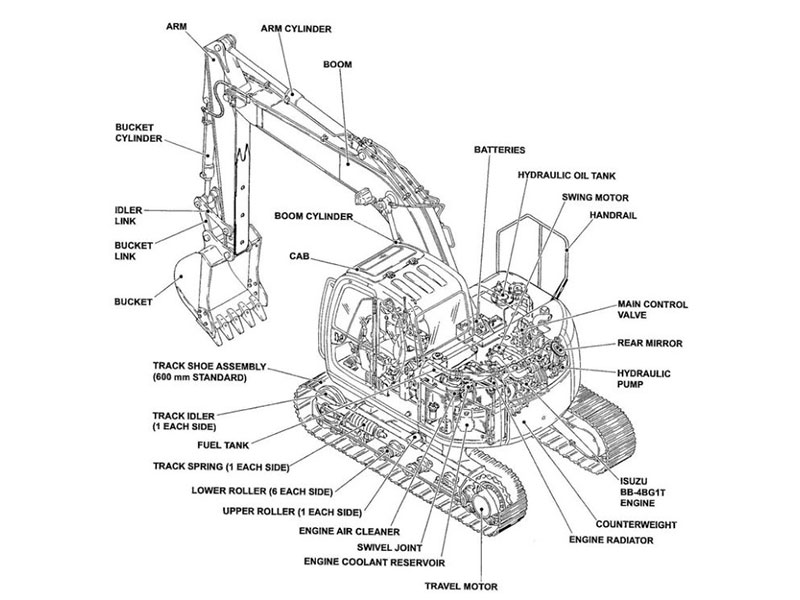


When you pick a bushing for excavator parts, you make a choice that changes how strong your machine is and how long it lasts. Bushings help the excavator move without trouble, but choosing the wrong one can cause big issues. You might notice problems like:
Pins and bushings wearing out unevenly, which means you may need to buy new parts that cost a lot.
Maintenance stops that slow your work and make you spend more money.
Less work done and more safety problems.
Look at quality and fit. Picking carefully keeps your excavator running and helps you avoid expensive fixes.
Key Takeaways
Pick the right bushing to help your excavator work better and last longer. – Check bushings often for damage and change them to stop expensive fixes and lost time. – Get bushings that fit your excavator’s needs so they work right. – Think about how strong the material is when buying bushings; stronger ones last longer. – Buy from trusted sellers to make sure you get good bushings that follow industry rules.
Why Bushings Matter for Excavators
Performance and Longevity
Excavators do hard work every day. The bushing for excavator parts connects moving parts. This helps the machine move easily. Picking the right bushing and taking care of it is important. It makes your excavator last longer. Studies show bushings are very important for smooth movement. If you skip maintenance, friction gets worse. Parts wear out faster. This can make repairs cost up to 30% more. If you take care of your excavator bushing, it can last up to 50% longer. Good bushings help your excavator work well. They also help you avoid losing money from downtime.
Tip: Check your bushings often. Replace them if you see damage or wear. This helps protect your machine and keeps it working well.
Reducing Friction and Wear
Bushings help your excavator move with less rubbing. This means smoother work and less harm to parts. Here is what bushings do for your machine:
Bushings cover the area around pins. This lowers friction and wear between moving parts.
They help the machine move smoothly without too much force.
Bushings take in shocks when the machine works. This keeps the excavator safe from damage.
Bushings help guide and support the shaft as it turns or slides.
They lower friction and wear. This helps the equipment last longer.
Bushings are hollow and shaped like a cylinder. They fit into the holes of a track link.
Pins go through the bushings. This lets track links turn at the joints.
Oil or grease inside the bushings helps lower friction and stops too much wear.
If you pick the right bushing, your excavator works better. You also have fewer repairs and less downtime. The best excavator bushing gives you more value from your machine.
Types of Excavator Bushings
When you look for bushings, you see many kinds. Each kind has its own good points. You should pick a bushing that fits your machine and job.
Material Choices: Bronze, Steel, and Composites
Bushings can be made from bronze, steel, or composite materials. Bronze bushings are strong and help parts move smoothly. They work well where there is a lot of rubbing. Bronze bushings last a long time. Many big machines use bronze bushings because they do not wear out fast. They also do not rust easily. Brass bushings also help your excavator move well and need less care.
Steel bushings can hold heavy loads. They are good for hard jobs and can take hits. You need to put oil or grease on steel bushings often. This keeps them working right. Composite bushings use special mixes of materials. They are strong and have low friction. These bushings are good if you want to do less maintenance.
Here is a table that shows how bronze bushings compare to other types:
Criteria | Bronze Bushings |
|---|---|
Load Capacity | High (50–98 MPa) |
Wear Resistance | Excellent |
Corrosion Resistance | Superior |
Temperature Tolerance | Stable under heat |
Cost | Higher |
You should check what your excavator needs before you pick a bushing. Bronze bushings last a long time, but steel and composites are good too. The best choice depends on your machine and the work you do.
Self-Lubricating and Hardened Options
You can choose self-lubricating bushings or hardened bushings. Self-lubricating bushings have oil or graphite inside. You do not need to add grease often. These bushings save you time and are easy to care for. You see self-lubricating bronze bushings where you want less work.
Hardened bushings are made from strong steel. They last longer in hard jobs. You need to put oil or grease on them often. These bushings are good for heavy work. You should pick bushings that fit your job site.
There are different bushing types in excavators:
Cylindrical bushings go in track links and rollers. They are easy to put in.
Flanged bushings have a flange that keeps them in place. They work at pivot points.
Spherical bushings help when parts do not line up. You see them in swing bearings.
Self-lubricating bushings use composite materials. They do not need extra grease.
Think about how much care you want to give your bushings. Self-lubricating bushings help you do less work. Hardened bushings need more care but can take heavy loads.
Tip: Always pick bushings that fit your machine and job. Good choices help your excavator work better and last longer.
Selecting the Right Pins and Bushes
Picking the right excavator pins and bushes is very important. It helps your excavator work well and last longer. Good choices stop expensive repairs and downtime. This part will help you pick the best pins and bushes for your excavator.
Matching Machine Tonnage and Specifications
Every excavator has its own size and weight. You must match the pins and bushes to your machine’s tonnage and specs. Using the wrong size can hurt your equipment. Always check your excavator’s manual or data plate for the right sizes. Makers show the correct pin and bushing sizes for each model.
When you pick pins and bushes, look at these things:
Machine tonnage: Bigger machines need stronger and bigger pins and bushes.
Pin diameter and length: These must fit your excavator’s arms and joints.
Bushing inner and outer diameter: These must match the pin and housing.
Material strength: Good pins and bushes handle heavy loads and hard jobs.
If you use pins and bushes that do not fit, you get slack in the pivot points. This slack makes other parts wear out faster. It can even break your excavator. Always make sure your pins and bushes fit your machine.
Tip: Always check if your pins and bushes fit your machine before you buy them.
Measuring Gaps and Fit
Getting the right fit is very important. If the gap between the bucket pin and bushing is too big or too small, your excavator will not work right. For new parts, the gap should be 0.1 to 0.3 mm. You can use a vernier caliper to measure this gap. This tool helps you see if your parts fit well.
Here are the steps to measure the gap:
Clean the area around the bucket pin and bushing.
Put the pin into the bushing.
Use a vernier caliper to check the space between the pin and bushing.
Make sure the gap is 0.1 to 0.3 mm for new parts.
If the gap is bigger, your pins and bushes may be worn out. You should think about replacing them to keep your excavator safe.
Here is what can happen if you do not check the fit:
Slack in pivot points makes other parts wear out faster.
This can lead to more wear and even break your excavator.
Checking your pins and bushes often helps you find problems early and saves money.
Picking the right pins and bushes means checking the size and the fit. You want your pins and bushes to move smoothly but not be loose. Good fit helps your excavator work better and last longer.
Note: Check your pins and bushes often for wear or slack. Finding problems early helps you avoid bigger repairs and keeps your machine working well.
When you pick the right pins and bushes, you protect your machine. You also make sure your bushing for excavator parts works its best. Always pick good pins and check if they fit your machine. Careful choices help your excavator work better and last longer.
Ensuring Compatibility with Excavator Parts
Checking Manufacturer Standards
You want your excavator to work well every day. To make this happen, you need to check if each bushing meets the right rules. Manufacturers use strict rules so bushings fit and work right. When you shop for a bushing for excavator parts, always ask about these rules. Good excavator pins and bushings come from companies that test their products and use strong materials.
Here is a table that shows what you should check:
Aspect | Description |
|---|---|
Raw Material Screening | Makes sure materials meet industry rules before making bushings. |
Quality Control Measures | Each part gets tested to make sure it meets the rules. |
Safety Standards | Follows safety rules during the making of bushings. |
Environmental Regulations | Meets rules for protecting the environment during production. |
If you skip these checks, you might get a bushing that does not fit or last long. This can make your excavator work badly and need new parts sooner. Always pick bushings from trusted companies that follow these rules.
OEM vs. Aftermarket Bushings
You can choose between OEM bushings and aftermarket bushings. OEM bushings are made by the same company as your excavator. These bushings fit just right and match the original parts. Aftermarket bushings are made by other companies. Some aftermarket bushings work well, but some may not meet the same rules.
When you pick a bushing, think about these common problems:
Dimensional accuracy: Wrong sizes can make parts not line up and wear out fast.
Seal type and lubrication compatibility: If seals do not match, you might see leaks or bad lubrication.
Consistency with previous components: Changing types without checking can make your machine work worse.
If you want the best fit and performance, OEM bushings are a safe pick. Some good aftermarket bushings also work if they meet the right rules. Always check the details and ask about quality before you buy. Good compatibility helps your excavator last longer and work better.
Note: Picking the right excavator bushing and checking if it fits saves you money and keeps your machine working well.
Assessing Excavator Bushing Quality
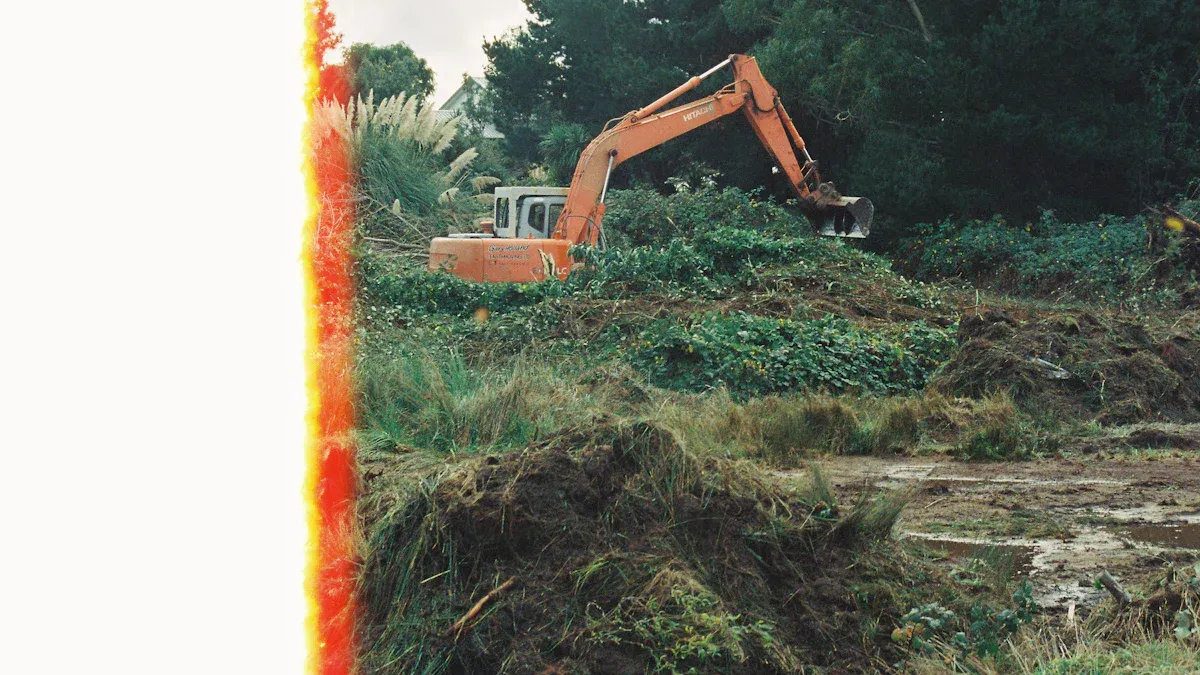
Signs of Wear and Failure
You should look for signs that your excavator bushings are wearing out. These signs tell you when it is time to replace them. If you do not pay attention to bushing wear characteristics, your excavator can get damaged. Watch for these problems:
Grooves or scratches on the bushing surface
Loose fit between pins and bushings
Unusual noises during operation
Visible cracks or chips
Excessive movement at the joints
When pins and bushings are worn, your excavator does not work as well. You might feel more shaking or vibration. If you notice these bushing wear characteristics, stop using your machine and check the parts. Finding problems early helps you avoid bigger repairs and keeps your machine safe. Checking and taking care of your excavator often makes it last longer.
Tip: Always look for signs of wear and tear before and after every job. This habit helps you find problems early.
Choosing Reliable Suppliers
You want strong excavator pins and bushings for your machine. Picking a good supplier is very important. A good supplier gives you tough parts, quick service, and help after you buy. Here are things you should look for:
Fast delivery so your excavator does not have to wait
Material quality that meets industry standards
Certifications like ISO or CE for safety and quality
Strong parts that last through hard jobs
Good reputation and trust in the market
Helpful support after you buy for any questions
Enough parts in stock to fill your orders
You should also look at the warranty choices. Good suppliers give strong warranties for their bushings. Here is a table that shows what you can get:
Warranty Aspect | Details |
|---|---|
Standard Warranty | 4 years or 4,000 hours for 2024+ compact and 2021+ full-size excavators |
Specialty Products | 3 years or 3,000 hours (Hybrid, Log Loader, Long Reach models) |
Extended Warranty | Premium plans for new and used equipment |
Coverage Features | Repairs by authorized technicians using OEM parts; transferable; no deductible |
Telematics Monitoring | Service alerts and machine tracking during warranty period |
Exclusions | Limited terms; custom quotes for severe duty applications |
YNF Machinery is a trusted supplier for excavator bushing needs. They give you quality bushings, strong warranties, and great support. You get parts that fit right and last a long time. Picking the right supplier helps you avoid worn pins and bushings, makes installation easier, and keeps your excavator working well.
Common Mistakes When Buying Bushings
Overlooking Compatibility
Some people think any bushing will fit their excavator. But using the wrong bushing can cause big trouble. If the bushing does not match, it can hurt important parts. The undercarriage holds up your excavator’s weight. It also keeps the machine steady. The wrong bushing can damage the undercarriage. This makes your excavator work worse. Here are some problems that can happen if you use the wrong bushing:
The undercarriage might not hold the excavator’s weight right.
Your machine could become unstable and unsafe.
You might have to pay for expensive repairs.
Your excavator may not get as much work done.
Damage to the undercarriage can mean more costly fixes.
Tip: Always check the bushing’s size and type before buying. Make sure it fits your excavator and the job you need to do.
Ignoring Material Quality
Picking the right material for your bushing is very important. If you do not care about material quality, your bushings can wear out fast. Some bushings cannot handle heavy work or tough jobs. Look at this table to see how different materials can cause problems:
Material Type | Limitations |
|---|---|
Grease-lubricated Bronze | May not handle heavy loads, high heat, or chemicals. |
Nylon | Can soak up water, swell, and become weak. |
UHMWPE | Not strong enough for heavy or hot jobs. |
If you pick the wrong material, your bushings might break early. This means more downtime and higher repair bills. Always choose bushings made from strong, tested materials. Good bushings help your excavator last longer and work better.
Note: Check your bushings for wear often. Change them before they cause bigger problems.
Maintenance Tips for Excavator Pins and Bushes
Taking care of your excavator means looking after pins and bushings. If you check and care for these parts, your machine works better. You can stop too much wear and keep your excavator running well by following some simple steps.
Inspection and Replacement Timing
Check your excavator pins and bushings every day. This helps you find problems early. If you see grooves, cracks, or loose parts, change the bushing soon. Do not wait until something breaks. Fixing things early keeps your machine safe and working well.
Here is a table to help you remember what to do:
Maintenance Action | Frequency |
|---|---|
Inspect boom and bucket pins and bushings | Daily |
Replace worn components | Before something breaks |
Checking often helps you spot things like uneven wear or track problems. If you see these signs, turn or change the bushings. Many people say to turn pins and bushings every 2,000 hours, but always check your machine’s needs. This helps your excavator work better and stops long breaks.
Tip: Make checking your pins and bushings part of your daily work. Finding problems early is a smart way to care for your excavator.
Extending Bushing Life
You can make your bushings last longer by following some easy steps. Start by putting in new bushings the right way. Make sure they fit your excavator as the maker says. This stops early wear and helps your machine work well.
Keep bushings clean and use grease or oil. Lubrication helps parts move smoothly and stops rubbing. Turn pins and bushings when needed to spread out the wear. This helps each part last longer and keeps your excavator working well.
Here are some easy ways to care for bushings:
Grease pins and bushings often to stop wear.
Turn pins and bushings so they wear evenly.
Check for dirt and clean bushings when needed.
Change bushings if you see they are worn out.
Follow a regular care plan to keep things working well.
If you do these things, you protect your excavator and help it work better. Good care means bushings last longer and you fix things less often. Make caring for your machine a habit so it works well every day.
Picking the right bushing for your excavator takes a few steps. First, find out where you need the bushing. Look in your machine’s manual for help. Next, measure your old bushings. Think about which material is best for your job. Make sure the bushing fits your machine. Check if the supplier is trusted and reliable. Good materials help bushings last longer. This means you will not need repairs as often. If you check your bushings often, your machine stays safe.
For the best results, talk to experts before you buy. Always check every detail and size. This makes your excavator work better and saves you money.
FAQ
How do you check dimensional compatibility for bushings?
Use a caliper to measure the bushing and pin. Check the sizes with your excavator’s manual. The right size helps parts fit and work well. Always check again before buying new bushings.
Why is installation compatibility important?
Installation compatibility means the bushing fits your machine’s design. It also fits the mounting points. Using the wrong type can hurt your excavator. It can also make it unsafe. Always follow the maker’s rules for installation.
How often should you replace excavator bushings?
Look at bushings every day. Change them if you see cracks or grooves. Also change them if they move loosely. Most people check the manual for how often to replace bushings. Changing them early stops bigger problems.
What steps should you follow during bushing installation?
Clean the area before you start. Line up the bushing with the housing. Use the right tools to press it in place. Add grease or oil if needed. Good installation helps your excavator work well and last longer.